
Why Is Guava Considered One of the Most Powerful Fruits
For Immunity, Heart Health, and Metabolic Balance?
Introduction
Vitamin C deficiency, weak immunity, rising heart disease, and metabolic disorders like diabetes have become common health concerns in India. Ironically, many people search for expensive supplements while ignoring simple, natural solutions available locally. One such highly underrated fruit is guava.
Guava is often consumed casually, without awareness of its remarkable nutritional and therapeutic value. In Ayurveda as well as modern nutrition science, guava is considered a functional food—meaning it provides benefits beyond basic nutrition. Despite being affordable and widely available, its role in immunity, cardiovascular protection, digestion, and metabolic balance is rarely discussed in detail.
This article aims to provide clear, evidence-aware guidance on guava—how it works, who benefits the most, how to consume it correctly, and when caution is needed—so readers can make informed, practical health decisions.
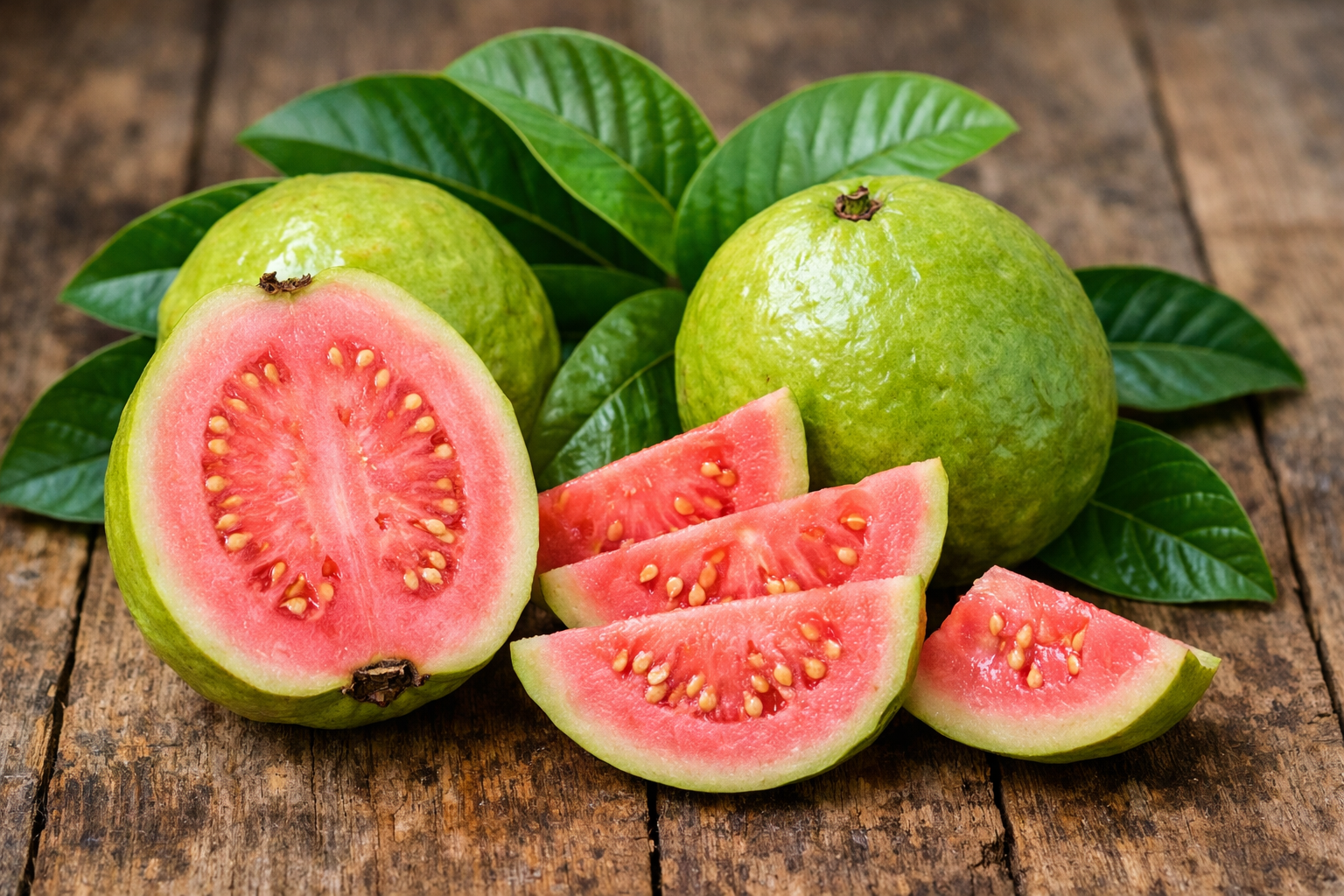
Guava : an Ayurvedic Perspective
Guava (Psidium guajava) is a tropical fruit widely grown across India. In Ayurveda, it is valued not only as a food but also as a supportive dietary remedy for multiple systems of the body.
Ayurvedic attributes (brief):
-
Rasa (Taste): Madhura (sweet), Kashaya (astringent)
-
Guna (Qualities): Guru (Heavy)
-
Virya (Potency): Sheeta (cooling)
-
Vipaka (Post-digestive effect): Madhura
-
Dosha impact: Pacifies Pitta and Vata.
Because of its cooling nature, fiber content, and antioxidant profile, guava is traditionally used to support digestion, metabolism, and tissue nourishment when consumed in the right quantity and form.
Key Health Benefits of Guava
1. Supports Immunity and Prevents Vitamin C Deficiency
One medium guava contains significantly more vitamin C than common citrus fruits. Vitamin C plays a crucial role in immune defense, wound healing, iron absorption, and protection against oxidative stress.
Regular guava intake helps:
-
Reduce frequency of infections
-
Support faster recovery from illness
-
Protect cells from oxidative damage
Unlike synthetic supplements, vitamin C from whole fruits comes with natural bioflavonoids, improving absorption and utilization. For individuals with frequent colds, fatigue, or low immunity, guava can serve as a safe, food-based nutritional support.
2. Guava Promotes Heart Health and Artery Protection
Cardiovascular diseases are rising rapidly due to sedentary lifestyle, poor diet, and chronic inflammation. It supports heart health through multiple mechanisms.
Key actions include:
-
Soluble fiber helps control LDL cholesterol
-
Potassium supports stable blood pressure
-
Antioxidants reduce oxidative stress in blood vessels
It also helps slow down processes involved in atherosclerosis, where arteries gradually lose elasticity and get narrowed. When included regularly as part of a balanced diet, guava contributes to long-term cardiovascular protection without stressing the system.
3. Guava is Safe for Diabetes and Improves Insulin Sensitivity
Many people with diabetes avoid fruits due to fear of blood sugar spikes. Guava, when eaten correctly, is generally diabetes-friendly.
Why?
-
Low glycemic index
-
High fiber slows glucose absorption
-
Bioactive compounds improve insulin sensitivity
It helps reduce post-meal sugar spikes and supports metabolic stability. However, portion control and timing remain essential, especially for individuals on anti-diabetic medications.
4. Guava Aids Digestion, Reduces Acidity, and Protects the Gut
It has traditionally been used to support digestive health. Its fiber content improves bowel regularity, while its cooling nature helps calm excess gastric acidity.
Benefits include:
-
Reduced acidity and heartburn
-
Improved stool consistency
-
Support in ulcer-prone individuals
When eaten ripe and in moderation, it nourishes the digestive tract. However, unripe or excessive intake can aggravate bloating or constipation, especially in Vata-dominant individuals.
5. Antioxidant Protection and Role in Cancer Prevention
Guava contains powerful antioxidants such as flavonoids and lycopene, which protect cells from free-radical damage.
These antioxidants help:
-
Prevent DNA damage
-
Reduce chronic inflammation
-
Support cellular repair mechanisms
While it is not a treatment for cancer, regular consumption as part of a plant-rich diet contributes to long-term disease prevention and cellular resilience.
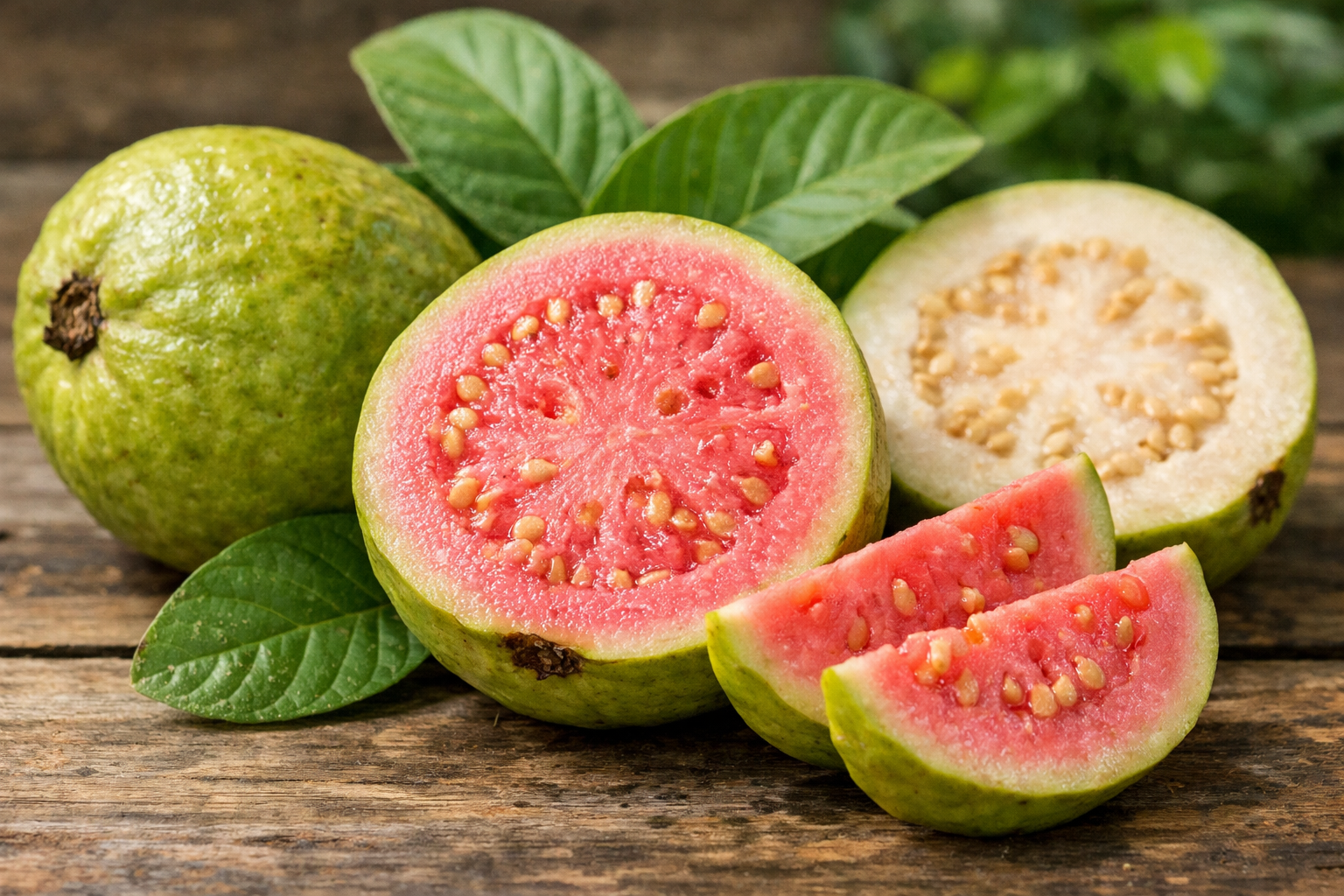
How to Use Guava
Recommended quantity:
-
1 medium ripe guava per day
Best time to eat:
-
Morning or midday
-
Avoid late night consumption
How to eat:
-
Wash thoroughly
-
Eat with or without peel (peel contains fiber, but chew well)
-
Avoid adding salt or spicy seasoning regularly
Duration:
-
Can be consumed daily as part of a balanced diet
Tip:
People with weak digestion should prefer fully ripe guava and avoid mixing it with heavy meals.
Who Should Avoid or Take Precautions
It is generally safe, but caution is advised in the following cases:
-
Severe constipation or IBS
-
Post-abdominal surgery
-
Advanced kidney disease (due to potassium content)
-
Pregnancy with digestive sensitivity
-
Patients on strict potassium-restricted diets
Individuals on blood pressure or diabetes medications should monitor levels regularly when increasing fruit intake.
Frequently Asked Questions (FAQs)
1. Can I eat guava daily?
Yes, one medium guava daily is safe for most people when digestion is normal.
2. Is guava better than orange for vitamin C?
Yes, it provides significantly higher vitamin C content per serving.
3. Can diabetics eat guava at night?
It is better to consume this during daytime to avoid digestion-related discomfort.
4. Does guava cause gas or bloating?
Unripe fruit or overeating may cause bloating, especially in sensitive individuals.
5. Is guava good for acidity?
Yes, ripe fruit can help reduce acidity due to its cooling and fiber properties.
Doctor’s Advice
Guava should be viewed as nutritional support, not a medical treatment. No single food can replace medicines or lifestyle correction. Best results are seen when it is combined with:
-
Balanced meals
-
Adequate hydration
-
Physical activity
-
Proper sleep and stress management
Consistency matters more than quantity. Listen to your body’s response and adjust accordingly.
Conclusion
Guava is one of the most accessible yet underutilized fruits in daily Indian diets. Rich in vitamin C, fiber, antioxidants, and minerals, it supports immunity, heart health, digestion, and metabolic balance when consumed correctly.
Rather than relying solely on supplements, incorporating simple whole foods like guava can contribute significantly to long-term health. Stay informed, eat mindfully, and choose consistency over quick fixes.
If you found this guide helpful, consider sharing it with your family to spread awareness about practical, evidence-based nutrition.
You can also read about Sarpagandha (Rauvolfia serpentina): Is It Good for Hypertension?