
Can High Uric Acid Cause Severe Joint Pain? Ayurvedic Support for Uric Acid and Gout Relief
Introduction
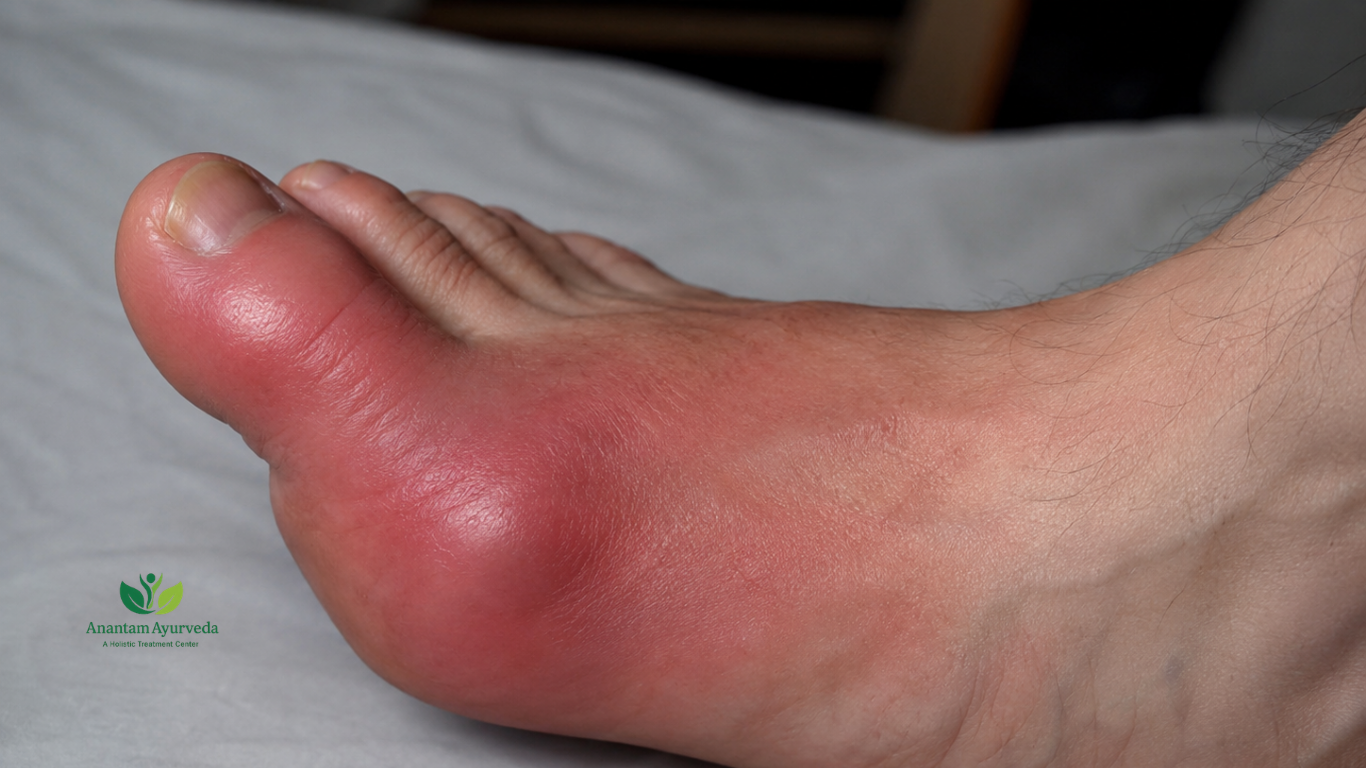
Many people ignore the first signs of high uric acid until the pain becomes difficult to tolerate. It often starts with mild swelling or redness in the big toe and gradually progresses into severe joint stiffness, burning pain, and difficulty walking. In some cases, climbing stairs, sitting comfortably, or even wearing footwear becomes painful.
One of the biggest misconceptions is that temporary relief from painkillers means the problem has been solved. In reality, pain relief medicines may only reduce symptoms for a few hours while the underlying imbalance continues to worsen.
From both modern and Ayurvedic perspectives, high uric acid is not only related to joints but also connected to digestion, metabolism, kidney function, and toxin accumulation inside the body. This article explains how uric acid affects the joints, why symptoms occur repeatedly, and how Ayurvedic herbs such as Giloy, Patol Patra, Kutki, Harad, and Amla may help support the body naturally when used correctly with proper lifestyle guidance.

What Is High Uric Acid?
Uric acid is a waste product formed when the body breaks down substances called purines, commonly found in certain foods and naturally present in the body. Normally, the kidneys filter uric acid and remove it through urine. However, when uric acid production increases or kidney elimination becomes inefficient, excess uric acid starts accumulating in the blood.
Over time, this excess uric acid can form sharp crystals inside joints, causing severe inflammation and pain. This condition is commonly associated with gout arthritis.
In Ayurveda, symptoms resembling gout are often correlated with “Vatarakta,” a condition involving aggravated Vata Dosha along with impure Rakta Dhatu (blood tissue). Poor digestion, toxin accumulation (Ama), excessive intake of heavy foods, alcohol, stress, and sedentary lifestyle may contribute to this imbalance.
Ayurvedic Perspective of Commonly Used Herbs
| Herb | Ayurvedic Properties | Possible Action |
|---|---|---|
| Giloy | Tikta-Kashaya Rasa, Ushna Virya | Supports detoxification and immunity |
| Patol Patra | Tikta Rasa, Laghu Guna | May help reduce inflammatory tendencies |
| Kutki | Tikta Rasa, Sheeta Virya | Traditionally used for liver support |
| Harad | Tridosha balancing | Supports digestion and elimination |
| Amla | Amla Rasa, Sheeta Virya | Rich in antioxidants and rejuvenating properties |
How High Uric Acid Affects the Joints
When uric acid crystals deposit inside joints, the immune system reacts aggressively. This inflammatory response leads to:
- Sudden severe pain
- Redness and swelling
- Warmth around joints
- Difficulty walking
- Joint stiffness
- Pain during movement
The big toe is one of the most commonly affected areas initially. However, if the underlying cause remains unmanaged, symptoms may gradually involve the ankles, knees, fingers, and other joints.
Many patients describe the sensation as walking on broken glass or sharp needles.
Ayurvedic Herbs That May Support Uric Acid Balance
Giloy for Detoxification and Inflammation Support
Giloy (Tinospora cordifolia) is widely used in Ayurveda for its detoxifying and immune-supportive properties. It is traditionally believed to help reduce Ama (metabolic toxins) and support overall inflammatory balance within the body.
People with high uric acid often experience repeated inflammatory flare-ups, fatigue, heaviness, and poor digestion. Giloy may help support metabolic efficiency and improve the body’s natural cleansing processes when combined with proper dietary modifications.
Its bitter taste (Tikta Rasa) is traditionally considered useful for balancing aggravated Pitta and Kapha Dosha, which may contribute to inflammatory conditions.
However, Giloy should be used under professional guidance, especially in individuals with autoimmune conditions or those taking multiple medications.
Patol Patra for Joint Swelling and Heat
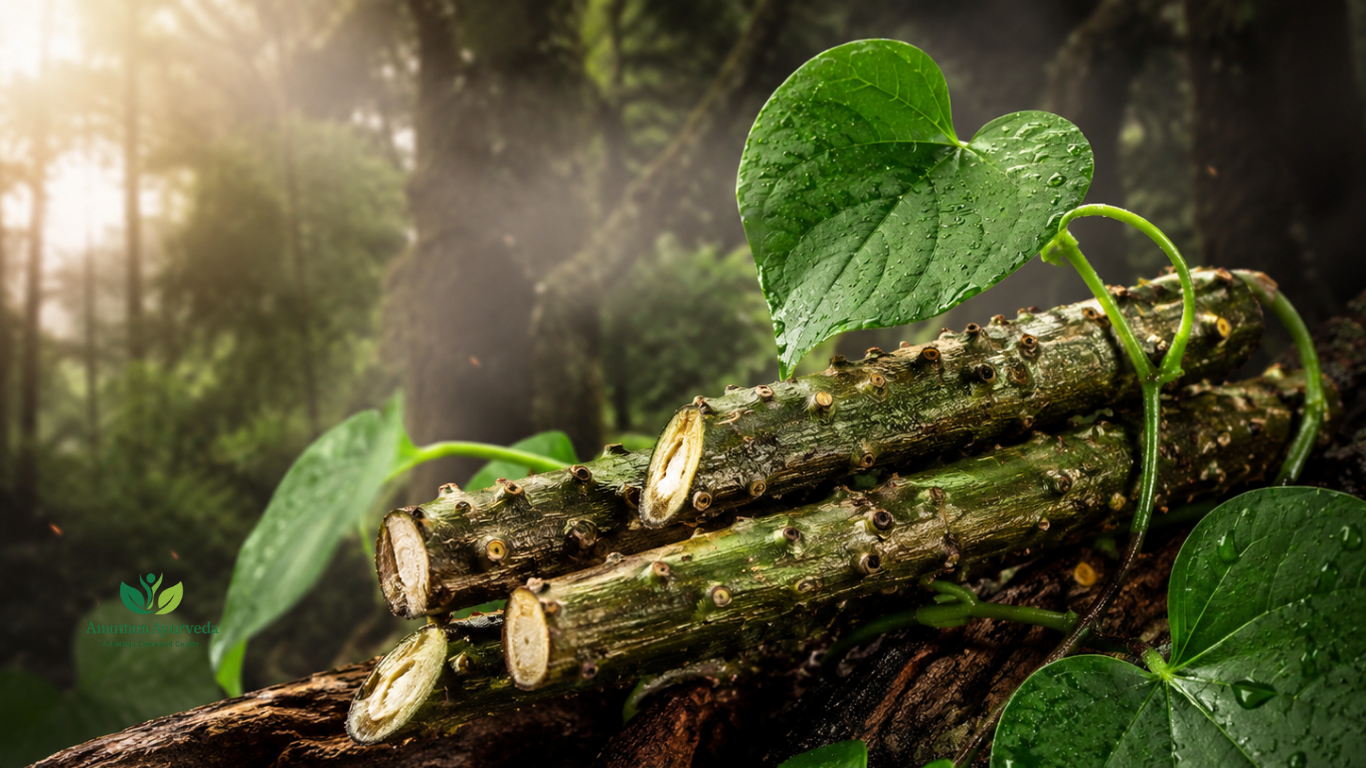
Patol Patra is traditionally used in Ayurvedic formulations for inflammatory skin and blood-related disorders. Due to its cooling and light properties, it may help reduce sensations of burning, swelling, and heaviness associated with inflamed joints.
In patients with gout-like symptoms, inflammation often causes redness, tenderness, and severe discomfort. Patol Patra may provide supportive benefits by helping maintain healthier inflammatory responses.
Ayurveda also considers bitter herbs useful for clearing excess heat and toxins from the body. Combined with appropriate hydration and dietary correction, such herbs may support long-term symptom management.
Kutki for Liver and Metabolic Support
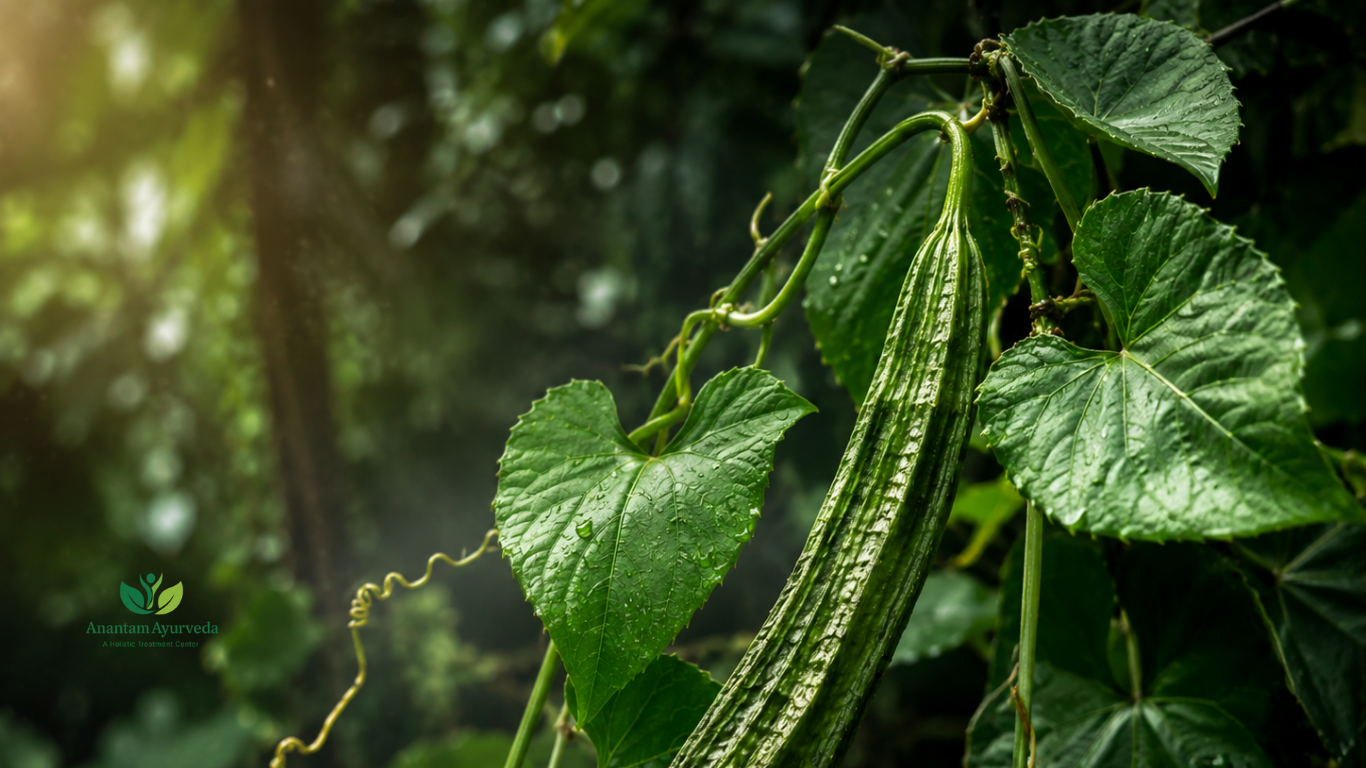
Kutki (Picrorhiza kurroa) is well known in Ayurveda for supporting liver function and metabolism. Since metabolic imbalance plays an important role in high uric acid conditions, maintaining healthy liver and digestive function becomes important.
Poor digestion and impaired metabolism may contribute to toxin formation and inefficient waste clearance. Kutki is traditionally used to stimulate digestion gently and support detoxification pathways.
Some practitioners also use Kutki in conditions involving sluggish metabolism, heaviness, and inflammatory tendencies. Due to its strong potency, it should only be used in the correct dose under Ayurvedic supervision.
Harad and Amla for Digestive and Antioxidant Support
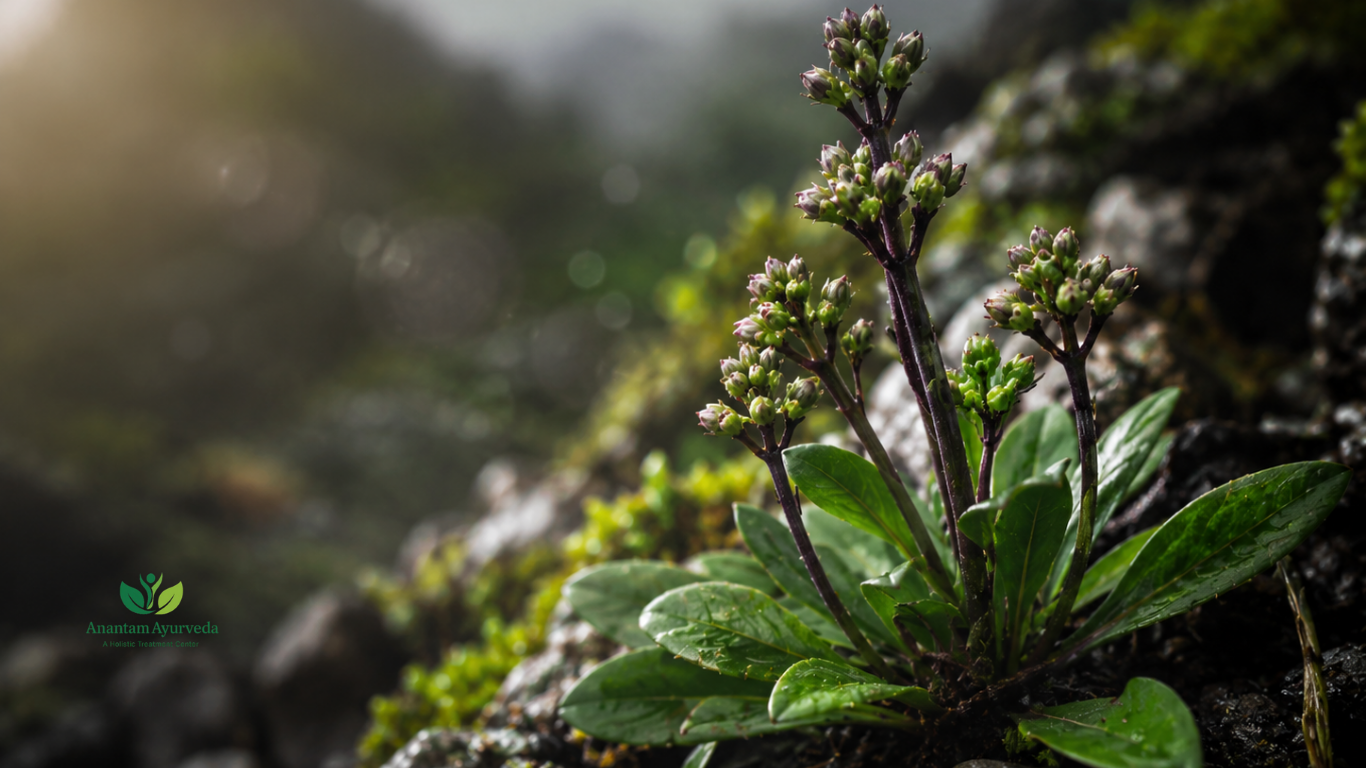
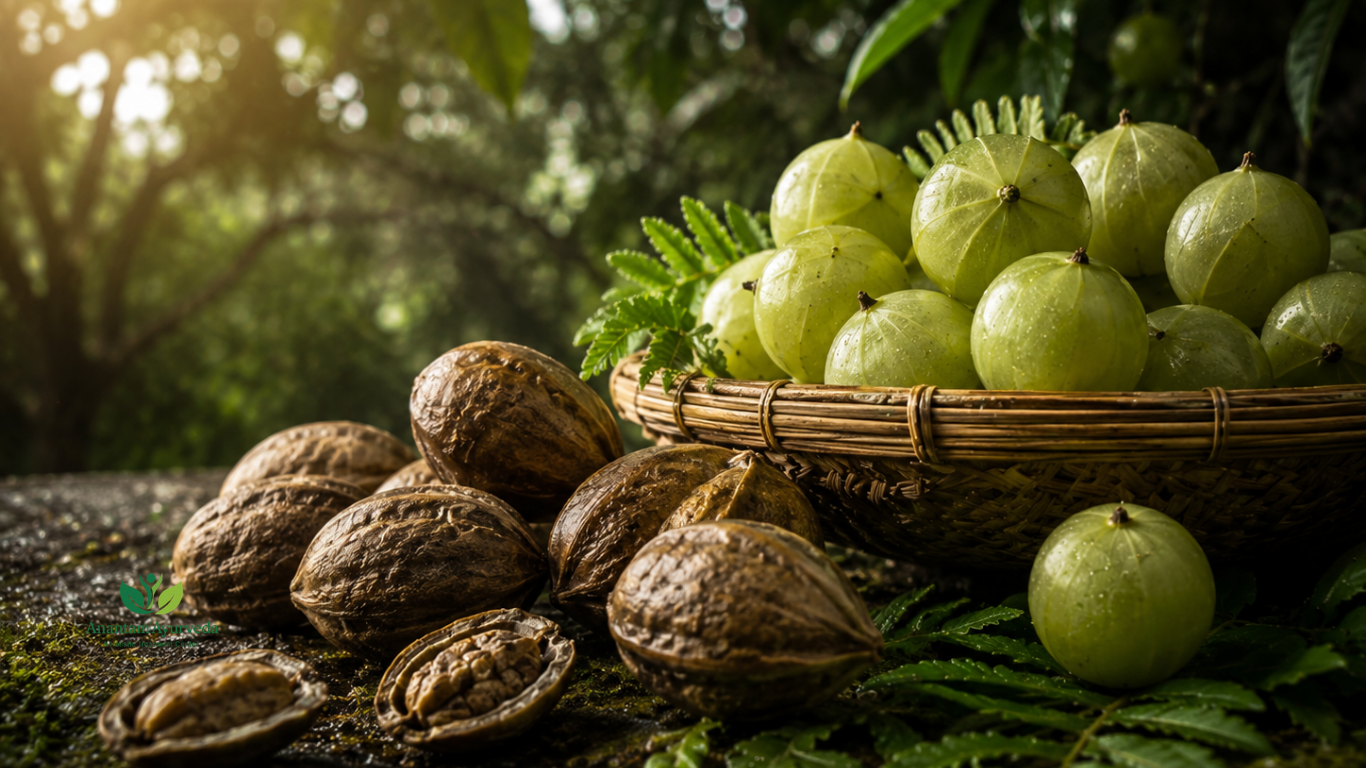
Harad (Haritaki) and Amla are commonly used in Ayurveda to support digestion, bowel regularity, and tissue nourishment.
Benefits:
- Supporting healthy digestion
- Helping natural detoxification processes
- Reducing oxidative stress
- Supporting immunity and tissue repair
- Maintaining bowel regularity
Amla is naturally rich in antioxidants and Vitamin C, while Harad is traditionally considered beneficial for balancing all three doshas.
Together, these herbs help support long-term metabolic balance when combined with healthy lifestyle habits.
How to Use These Herbs Safely
The exact combination, dosage, and duration depend on:
- Age
- Digestive strength
- Severity of symptoms
- Kidney health
- Existing medications
- Body constitution (Prakriti)
General Ayurvedic Supportive Approach
These herbs are commonly used in:
- Decoction form (Kwath)
- Tablet formulations
- Powder blends (Churna)
- Ayurvedic compound formulations
General Lifestyle Recommendations
- Drink adequate water throughout the day
- Avoid excessive alcohol consumption
- Reduce sugary drinks and processed foods
- Limit red meat and deep-fried foods
- Maintain healthy body weight
- Avoid prolonged sitting
- Improve sleep routine
Duration
Visible symptomatic improvement may vary from person to person. Some individuals notice changes within a few weeks, while others may require longer lifestyle correction and medical supervision.
Who Should Avoid or Use With Caution?
Do not self-medicate aggressively with herbs without proper guidance.
Use Caution If You:
- Are pregnant or breastfeeding
- Have chronic kidney disease
- Have severe liver disorders
- Take blood thinners
- Use diabetes medications
- Have autoimmune diseases
- Are already taking uric acid-lowering medicines
People experiencing severe joint swelling, fever, sudden inability to walk, or persistent pain should consult a qualified medical professional immediately.
Frequently Asked Questions (FAQs)
1. What are the first symptoms of high uric acid?
Common early signs include big toe pain, swelling, redness, stiffness, and burning sensation in joints. Some people also experience heaviness and difficulty walking.
2. Can drinking more water reduce uric acid?
Proper hydration may help support kidney function and improve uric acid elimination. However, hydration alone may not be enough if dietary and metabolic factors remain unaddressed.
3. Is gout permanently curable with Ayurveda?
Ayurveda focuses on long-term management, lifestyle correction, and balancing the root cause. Results vary depending on diet, consistency, body constitution, and overall health status.
4. Which foods should be avoided in high uric acid?
People with high uric acid are often advised to limit:
- Alcohol
- Sugary beverages
- Organ meat
- Excess red meat
- Deep-fried foods
- Processed foods
5. Can painkillers solve the root cause of uric acid?
Painkillers may temporarily reduce pain and inflammation, but they usually do not address the underlying metabolic imbalance, dietary triggers, or kidney elimination issues.
Doctor’s Advice
High uric acid should not be ignored simply because symptoms come and go. Repeated inflammatory episodes may gradually affect mobility, joint health, and quality of life.
Instead of relying only on temporary pain relief, focus on:
- Digestive health
- Hydration
- Weight management
- Proper sleep
- Regular physical activity
- Balanced eating habits
Ayurvedic herbs can provide supportive benefits when selected appropriately according to individual body type and health condition. However, personalized guidance is important because every patient responds differently.
Avoid unrealistic expectations or “overnight cure” claims. Sustainable improvement usually requires consistency and lifestyle correction.
Conclusion
High uric acid and gout-related joint pain can significantly affect daily life if ignored. Early symptoms such as swelling in the big toe, stiffness, redness, and difficulty walking should not be dismissed as normal aging.
Ayurvedic herbs like Giloy, Patol Patra, Kutki, Harad, and Amla have traditionally been used to support detoxification, digestion, inflammatory balance, and metabolic health. When combined with proper hydration, diet correction, and professional guidance, they may help support healthier joint function naturally.
If you are experiencing recurring joint pain or high uric acid symptoms, seek proper medical evaluation and follow a personalized treatment approach rather than depending only on temporary pain relief.
For professional Ayurvedic consultation and personalized guidance, you may consult a qualified Ayurvedic doctor based on your individual health condition.
You can also read about Sarpagandha (Rauvolfia serpentina): Is It Good for Hypertension?