
diet underactive thyroid | Updated October 2026 | 11 min read | Anantam Ayurveda Team, medically reviewed by Dr. Arun Jharwal, BAMS, MD (Ayurveda)
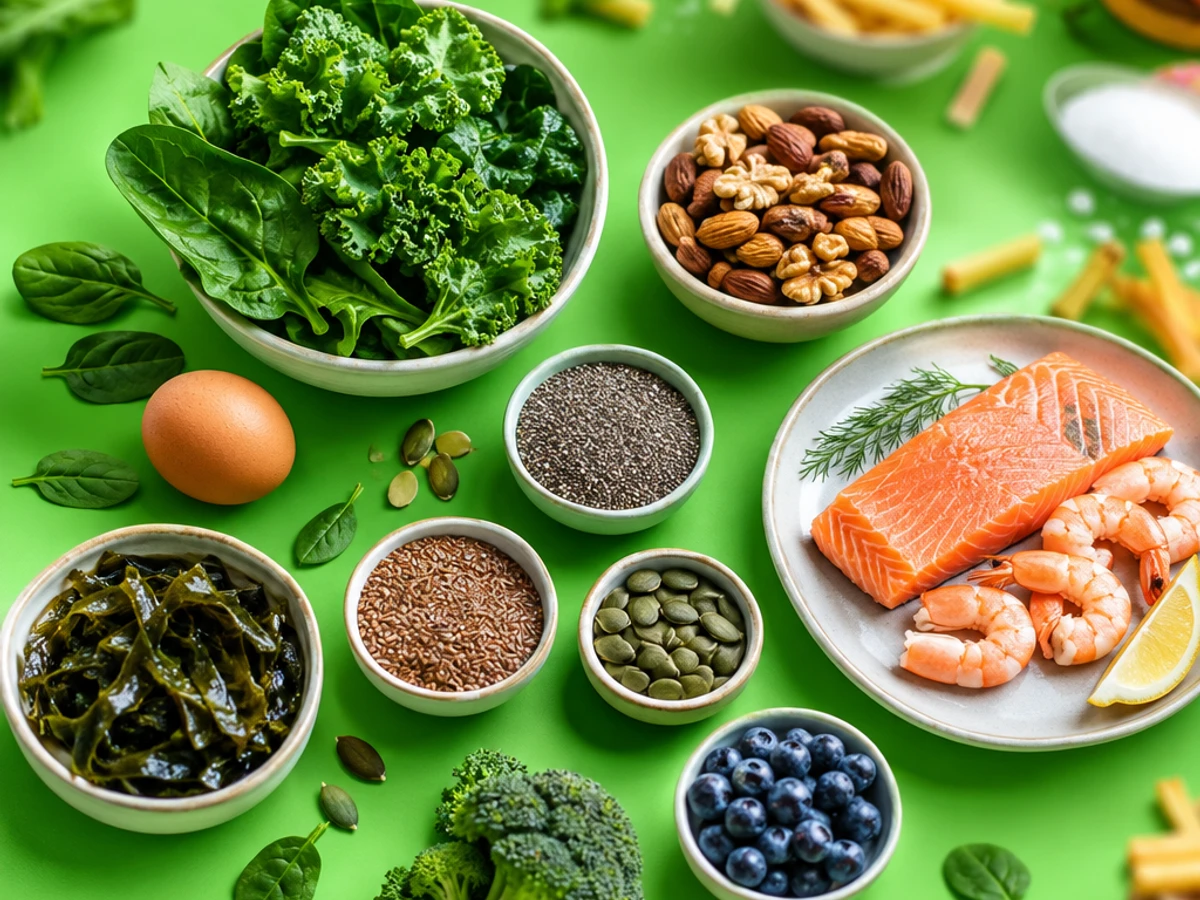
No food treats an underactive thyroid, but a balanced diet underactive thyroid patients can follow every day, with enough iodine, selenium, zinc and iron, supports normal thyroid function alongside the medicine your doctor prescribes. In Indian kitchens, that means iodised salt, dairy, eggs if you eat them, dals, rajma, green leafy vegetables, nuts and seeds, while keeping processed foods and sugary snacks low. This guide, Diet for an Underactive Thyroid: Foods to Eat and Avoid, explains which nutrients matter, which foods to limit, and how to time meals around your tablet.
Medicine replaces the hormone your thyroid isn’t making. Food helps your whole body cope better. You need both, and you shouldn’t swap one for the other.
An underactive thyroid (hypothyroidism) means the thyroid gland makes too little hormone, which can cause tiredness, weight gain, feeling cold, constipation, dry skin and low mood. It is common in Indian women and is usually treated with a daily tablet called levothyroxine.
Can Diet Help an Underactive Thyroid?
Diet helps in supporting ways, not as a cure. It can make sure your thyroid has the nutrients it needs, help you manage weight and cholesterol, ease constipation and support your energy. It cannot replace thyroid hormone, so medicine remains the main treatment for most people.
- What diet can do: Supply iodine, selenium, zinc and iron; support weight management; lower heart risks linked to hypothyroidism.
- What diet can’t do: Restart a thyroid that isn’t producing enough hormone, or let you stop your tablet.
- The biggest diet mistake: Stopping or reducing medicine because of a “thyroid diet” seen online.
How diet helps common hypothyroid symptoms
| Symptom | Diet support | What else helps |
|---|---|---|
| Tiredness | Regular meals with protein; iron and B12-rich foods | Correct medicine dose; check iron and B12 |
| Weight gain | Smaller grain portions, more vegetables, less sugar | Daily walking and strength exercise |
| Constipation | Fibre from vegetables, fruit, whole grains and dals; enough water | Activity and a regular routine |
| High cholesterol | Less fried food and saturated fat; more fibre | Thyroid treatment often improves cholesterol too |
| Feeling cold | Warm, cooked meals | Correct thyroid dose |
Many of these symptoms improve once your thyroid levels are back in range with medicine, so diet works best alongside treatment rather than as a replacement for it.
Key Takeaway: Think of diet as the support team and medicine as the main player.
Nutrients the Thyroid Needs, and Indian Sources
The thyroid needs a few key nutrients to make and use its hormones. Most people get enough from a varied Indian diet.
| Nutrient | Role in thyroid health | Indian food sources |
|---|---|---|
| Iodine | A building block of thyroid hormones | Iodised salt (India’s main source), milk, curd, eggs, fish |
| Selenium | Helps convert thyroid hormone to its active form | Eggs, fish, sunflower seeds, whole grains; one Brazil nut |
| Zinc | Needed for normal thyroid function | Pumpkin seeds, dals, chana, dairy, whole grains |
| Iron | Needed for hormone production; low iron worsens tiredness | Dals, rajma, palak, bajra, eggs, meat |
| Magnesium | Works with many enzymes, including those in thyroid function | Nuts, seeds, whole grains, greens |
Do you need iodine supplements?
Usually not. India’s iodised salt programme provides most people with enough iodine. Taking extra iodine supplements or kelp tablets without medical advice can actually upset thyroid function. Use iodised salt in normal, not excess, amounts.
Zinc and magnesium
Pumpkin seeds provide zinc and magnesium, both needed for normal thyroid function. Claims that they “boost hormone production” go too far, but a small handful a few times a week is a healthy habit. The NIH magnesium fact sheet lists nuts, seeds and whole grains as good sources.
Brazil Nuts and Selenium: Why One Is Enough
Brazil nuts are the richest food source of selenium, which helps the body convert thyroid hormone into its active form. But their selenium content varies enormously from nut to nut, so more is not better.
- One a day is plenty: A single Brazil nut usually supplies more than enough selenium.
- More can be harmful: Researchers found selenium ranges widely between nuts and suggested about one to one and a half nuts a day to stay under the adult safe upper limit of 400 micrograms.
- Signs of too much selenium: Garlic-smelling breath, brittle nails and hair loss.
- No Brazil nuts? Eggs, fish, sunflower seeds and whole grains also provide selenium.
Don’t take selenium supplements on top of Brazil nuts unless your doctor recommends them.
Iron Absorption Tip: Lemon on Dal, Rajma or Palak
Low iron is common in Indian women and can worsen the tiredness of hypothyroidism. Most vegetarian iron comes from plant foods, which the body absorbs less easily. Adding vitamin C helps.
| Iron-rich dish | Vitamin C partner | Keep apart from |
|---|---|---|
| Dal or rajma | A squeeze of lemon | Tea and coffee at the same meal |
| Palak sabzi or saag | Tomato, lemon or amla | Large amounts of milk at the same meal |
| Bajra roti | Guava or orange as dessert | Calcium tablets at the same time |
| Sprouts chaat | Lemon and chopped tomato | Tea within an hour |
A systematic review in the Proceedings of the Nutrition Society found that vitamin C moderately improves plant-iron absorption. If you’re still tired despite treatment, ask your doctor to check your iron and B12 levels.
Foods to Limit: Thyroid Me Kya Nahi Khana Chahiye
No food is strictly banned with an underactive thyroid, but some are best limited. Keep these claims in perspective: most of the fear around “goitrogenic” vegetables is overstated for people who eat them cooked and in normal amounts.
- Highly processed foods: Packaged snacks, instant noodles and bakery items are high in salt, sugar and unhealthy fats, which don’t help weight or heart health.
- High-sugar snacks and drinks: Sweets, biscuits, cold drinks and sugary chai make weight harder to manage.
- Excess soy: Soy foods in moderation are fine, but very large amounts, especially near your tablet time, can interfere with medicine absorption.
- Very large amounts of raw cruciferous vegetables: Cabbage, cauliflower and broccoli contain compounds that affect iodine use, but cooking reduces them and normal portions are fine.
- Fried foods: Pakoras, samosas and puris add calories and unhealthy fats.
- Alcohol: Adds empty calories and can affect energy and sleep.
Cooked gobhi and cabbage sabzi are not the enemy. Sugar, fried snacks and skipped medicine are far bigger problems.
What about gluten and dairy?
There’s no need for most people with hypothyroidism to give up gluten or dairy. People with coeliac disease (which is more common in autoimmune thyroid disease) need a gluten-free diet, but that requires diagnosis. Curd and milk provide iodine, protein and calcium; read more about the advantages and disadvantages of curd.
To help you navigate which foods to limit for optimal thyroid health, check out the informative video below.
Vegetarian Diet Ideas for an Underactive Thyroid
A vegetarian Indian diet can easily support thyroid health. Build each meal around protein, vegetables and whole grains, and use iodised salt.
| Meal | Ideas | What it adds |
|---|---|---|
| Breakfast | Moong dal chilla, vegetable poha with peanuts, ragi dosa, idli-sambar | Protein and fibre |
| Lunch | Roti or millet roti, dal or rajma with lemon, green sabzi, salad, curd | Iron, iodine, fibre |
| Snack | Roasted chana, a fruit, a few pumpkin seeds, one Brazil nut | Zinc, selenium, vitamin C |
| Dinner | Vegetable khichdi, paneer bhurji with sabzi, millet roti | Light, balanced meal |
Simple swaps for thyroid-friendly eating
- Maida bread to whole wheat or millet roti: More fibre and minerals.
- Sugary chai to less-sugar or unsweetened chai: Fewer empty calories through the day.
- Packaged namkeen to roasted chana or makhana: More protein, less salt and fat.
- Fried pakoras to grilled paneer tikka or sprouts chaat: Same satisfaction, healthier cooking.
- Fruit juice to whole fruit: Keeps the fibre and avoids a sugar rush.
Gut health and the thyroid
Researchers are studying links between gut health and thyroid hormones. A review from Amsterdam UMC notes that a share of thyroid hormone passes through the gut, but most conversion to the active hormone happens in tissues such as the liver. You may see a viral claim that “20% of thyroid hormone conversion happens in the gut”; that isn’t accurate. Still, a fibre-rich diet with fermented foods like homemade curd and chaas supports overall digestive health, which is good for everyone.
For calcium-rich vegetarian choices, see our guide to the top 10 calcium-rich foods, but remember to keep calcium supplements away from your thyroid tablet.
Watch Dr. Arun Jharwal explain it on video
Get simple Ayurvedic tips, home remedies and health guidance on our YouTube channel.
Medicine Timing: Levothyroxine and Food
How you take your tablet matters as much as what you eat. Levothyroxine is absorbed best on an empty stomach, and several foods and supplements can reduce absorption.
- Take it on waking: With a glass of plain water, at the same time every day.
- Wait before breakfast: Usually 30-60 minutes; confirm the exact gap with your doctor.
- Keep coffee and tea for later: Coffee taken with the tablet can reduce absorption.
- Separate calcium and iron supplements: Take them several hours apart from your thyroid tablet.
- Be consistent with soy and fibre supplements: Keep them away from tablet time and tell your doctor if your intake changes a lot.
- Don’t double up: If you miss a dose, ask your doctor what to do rather than guessing.
Key Takeaway: A consistent routine with your tablet gives your doctor reliable test results and keeps your dose right.
Hashimoto’s and Pregnancy: Why Individual Advice Matters
Two situations need personalised medical guidance rather than general diet tips.
Hashimoto’s thyroiditis
Hashimoto’s is an autoimmune condition and the most common cause of an underactive thyroid. Online, you’ll find many restrictive “Hashimoto’s diets” that cut out whole food groups. There is no single proven diet for Hashimoto’s; a balanced diet and medicine remain the basis of care, and any restrictive diet should be discussed with your doctor.
Pregnancy
Thyroid hormone needs rise in pregnancy, and the baby’s brain development depends on the mother’s thyroid levels. Your doctor will usually adjust your dose and check levels more often.
- Pregnancy me thyroid ho to kya nahi khana chahiye? Avoid skipping meals and medicine, limit sugary and processed foods, don’t take iodine or herbal supplements without your doctor, and keep calcium and iron tablets apart from your thyroid tablet.
- Iodine needs: Higher in pregnancy; your doctor will guide you on prenatal vitamins.
When to See a Doctor
See your doctor rather than adjusting your diet alone in these situations.
- Pregnancy or planning a pregnancy: Your dose often needs changing.
- New or worsening symptoms: Tiredness, weight changes, palpitations, swelling in the neck, or low mood.
- Dose changes: Only your doctor should change your dose, based on blood tests.
- Tempted to replace medicine with diet or herbs: Please talk to your doctor first; stopping medicine can make symptoms return.
- Other conditions: Diabetes, PCOS, heart disease or kidney disease need a combined plan.
At Anantam Ayurveda, Dr. Arun Jharwal works alongside your thyroid treatment, focusing on diet, digestion and lifestyle rather than replacing prescribed medicine. Read more about our approach in our guide to Ayurvedic diet and nutrition.
Thyroid Diet Questions Answered
Here are short answers to what people search most often.
- Thyroid me kya khana chahiye? Dal, rajma, hari sabzi, doodh-dahi, ande ya machli (agar khaate hain), mewe aur beej, aur iodised namak.
- Thyroid me kya kya nahi khana chahiye? Zyada meetha, packaged aur tala hua khana kam karein; soy aur calcium-iron ki goliyan dawa ke samay se door rakhein.
- What is the diet for thyroid? A balanced diet with protein, vegetables, whole grains, dairy and iodised salt, timed around your medicine.
- Thyroid diet: what not to eat? Limit processed foods, sugar, fried snacks and very large amounts of soy or raw cabbage-family vegetables.
Conclusion
A good diet underactive thyroid patients can follow is simple: balanced Indian meals with iodised salt, dals, greens, dairy, nuts and seeds, one Brazil nut at most, lemon with iron-rich foods, and less sugar and processed food. Take your tablet consistently on an empty stomach, and let your doctor guide any dose changes.
Key Takeaways
- Diet supports, medicine treats: Never replace thyroid tablets with food.
- Key nutrients: Iodine (iodised salt), selenium, zinc and iron from varied foods.
- Brazil nuts: One a day at most.
- Limit: Sugar, processed and fried foods, excess soy; cooked cruciferous vegetables are fine.
- Timing: Tablet on waking, breakfast 30-60 minutes later, supplements apart.
Want a personalised thyroid-friendly diet plan? Book a consultation with Dr. Arun Jharwal at Anantam Ayurveda.
Frequently Asked Questions
What is the diet for an underactive thyroid: foods to eat and avoid?
Diet for an Underactive Thyroid: Foods to Eat and Avoid, in short: eat balanced meals with iodised salt, dals and rajma with lemon, green leafy vegetables, milk and curd, eggs or fish if you eat them, nuts, seeds and at most one Brazil nut a day. Limit processed foods, sugary snacks, fried foods and very large amounts of soy or raw cabbage-family vegetables. Take levothyroxine on an empty stomach and wait 30-60 minutes before breakfast. Diet supports treatment but does not replace medicine.
Thyroid me kya khana chahiye?
Dal, rajma, palak, doodh, dahi, ande ya machli (agar khaate hain), kaddu ke beej, mewe aur iodised namak.
Thyroid me kya kya nahi khana chahiye?
Zyada meetha, packaged snacks, tala hua khana aur bahut zyada soy kam karein. Dawa ke saath chai, coffee aur calcium-iron ki goliyan na lein.
Can I eat cauliflower and cabbage with hypothyroidism?
Yes. Cooked cauliflower and cabbage in normal amounts are fine for most people taking thyroid medicine.
Can diet cure hypothyroidism?
No. Diet supports thyroid health, but hypothyroidism usually needs lifelong medicine prescribed by your doctor, with regular blood tests to keep the dose right.
How many Brazil nuts should I eat for thyroid?
One a day is enough. More can push you past the safe selenium limit.
Should I take selenium or iodine supplements for hypothyroidism?
Not unless your doctor recommends them. Most people get enough iodine from iodised salt and enough selenium from a varied diet, and excess of either can cause problems.
Is milk bad for thyroid patients?
No. Milk and curd provide iodine and protein. Just keep milk and calcium away from your tablet time.
Methodology and disclaimer: Information draws on research on Brazil nut selenium variability (SLACAN 2023), the NIH Office of Dietary Supplements magnesium fact sheet, a systematic review on vitamin C and iron absorption (Proceedings of the Nutrition Society, 2017) and a review of thyroid hormone metabolism in the gut (Amsterdam UMC). This article is educational and not a substitute for medical advice; never change your thyroid medicine without your doctor.