
Mutton vs chicken vs fish: 15 non-veg foods ranked for protein
The best non veg protein overall is not mutton or chicken breast but small oily fish: sardine (mathi) ranks #1 and bangda (Indian mackerel) #2, because they combine high protein with omega-3, vitamin D and very low mercury at a low price. Chicken breast has the most protein per 100 g, but protein is only one part of the picture. This guide, Mutton vs chicken vs fish: 15 non-veg foods ranked for protein, nutrition and safety by a doctor. Which one gives you the healthiest protein?, scores 15 common Indian non-veg foods on protein, nutrition and safety, then shows how to cook them so the healthy choice stays healthy.
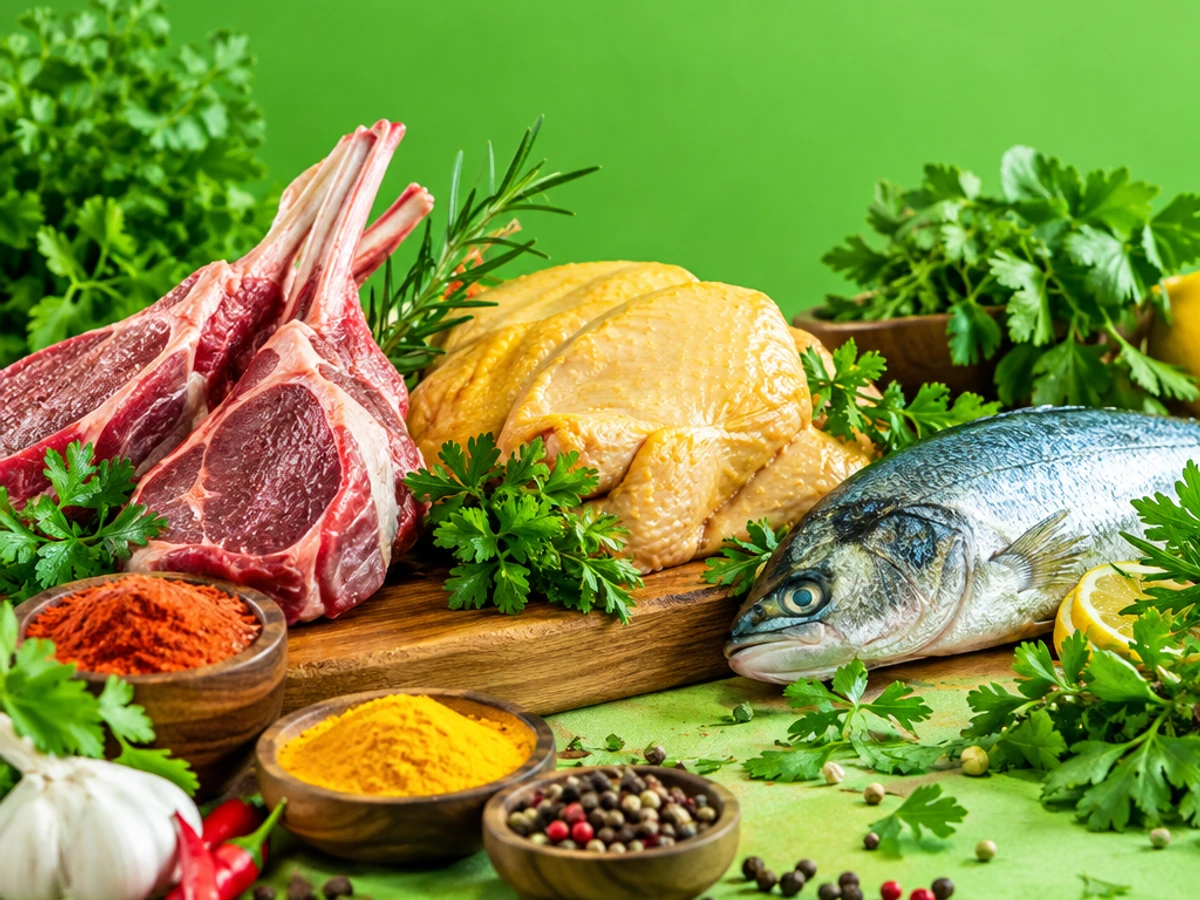
best non veg protein | Updated October 2026 | Anantam Ayurveda Team, medically reviewed by Dr. Arun Jharwal, BAMS, MD (Ayurveda) | 15 non-veg foods compared
The “protein king” isn’t the overall winner. A food that is high in protein but hard on your heart, gut or wallet loses points; a humble mathi fry, cooked right, wins.
Mutton, Chicken or Fish: Which Protein Is Healthiest?
Most Indian families argue about this at the dinner table, usually based on a WhatsApp forward. The honest answer is that all three are good protein sources, but they are not equal once you look beyond grams of protein. Fish, especially oily fish, brings heart-healthy omega-3 fats. Chicken breast is the leanest. Mutton is rich in iron, zinc and B12 but sits in a higher-risk category for regular heavy eating.
So we rated each food on three things that matter for your long-term health, not just your next gym session. The results surprise most people: the cheapest fish in the market beats the most expensive one.
How We Rated Them: The Doctor Score
Each food gets a Doctor Score out of 10, built from three parts. Protein counts for 30%, overall nutrition for 35% and safety for 35%. All values are per 100 g of cooked food, using USDA FoodData Central and the Indian Food Composition Tables from ICMR-National Institute of Nutrition.
|
Part |
Weight |
What it measures |
|---|---|---|
|
Protein |
30% |
Grams per 100 g and per 100 kcal |
|
Nutrition |
35% |
Omega-3, B12, iron, zinc, vitamin D, calcium; saturated fat |
|
Safety |
35% |
Mercury, cancer classification, antibiotics, allergy and food-safety risk |
-
9-10, Superfood: Eat often.
-
8-8.9, Excellent: Regular part of the week.
-
7-7.9, Good: Fine in sensible portions.
-
6-6.9, Fair: Useful, with limits.
-
Under 6, Occasional: Treat food only.
The Final Ranking: #15 to #1
Here is the full list, from lowest to highest Doctor Score. None of these is “bad”; even the lowest scorers are good protein sources. The ranking tells you which to lean on most.
|
Rank |
Food |
Doctor Score |
Band |
|---|---|---|---|
|
#15 |
Egg white |
6.6 |
Fair |
|
#14 |
Squid |
6.8 |
Fair |
|
#13 |
Mutton |
7.2 |
Good |
|
#12 |
Chicken leg |
7.3 |
Good |
|
#11 |
Prawns |
7.4 |
Good |
|
#10 |
Rohu |
7.5 |
Good |
|
#9 |
Crab |
7.6 |
Good |
|
#8 |
Mussels |
7.7 |
Good |
|
#7 |
Whole egg |
7.8 |
Good |
|
#6 |
Chicken breast |
7.9 |
Good |
|
#5 |
Pomfret |
8.0 |
Excellent |
|
#4 |
Lobster |
8.1 |
Excellent |
|
#3 |
Salmon |
8.2 |
Excellent |
|
#2 |
Bangda (Indian mackerel) |
8.7 |
Excellent |
|
#1 |
Sardine (mathi) |
8.9 |
Excellent |
Red Meat: Mutton (#13)
#13 Mutton: Doctor Score 7.2
Mutton in India is usually goat meat, and lean goat is a strong protein: about 27 g per 100 g cooked, with well-absorbed haem iron, zinc and vitamin B12. It scores well on nutrition. It loses points on safety because the International Agency for Research on Cancer (IARC) classifies red meat as Group 2A, “probably carcinogenic”, with roughly a 17% higher colorectal cancer risk for every 100 g eaten daily.
-
Best for: People low in iron or B12, in moderate portions.
-
Limit: Keep red meat to about 350-500 g cooked a week, the limit suggested by the World Cancer Research Fund.
-
Watch: Fatty cuts, nalli and brain carry far more saturated fat than lean leg pieces.
Processed meat such as salami, sausages and ham is a different story: IARC puts it in Group 1, so keep it rare.
Chicken: Leg (#12) vs Breast (#6)
#12 Chicken leg: 7.3 | #6 Chicken breast: 7.9
Skinless chicken breast gives about 31 g protein in 165 kcal per 100 g cooked, the highest protein of any food on this list. The leg (thigh and drumstick) is juicier and has roughly 3× the zinc, but about twice the fat. Both are good choices; breast simply wins for weight loss.
-
The hormone myth: Broilers grow fast because of breeding and feed, not hormone injections, which aren’t used in commercial poultry.
-
The real concern: Antibiotic overuse. A Centre for Science and Environment study found antibiotic residues in a large share of chicken samples tested in Delhi, which adds to antibiotic resistance.
-
What to do: Buy from clean, trusted shops, remove the skin and cook thoroughly.
Eggs: White (#15) vs Whole (#7)
#15 Egg white: 6.6 | #7 Whole egg: 7.8
Egg white is almost pure protein, about 11 g per 100 g with only 52 kcal, which is why gym-goers love it. But it scores lowest here because nearly all the egg’s vitamins live in the yolk: vitamins A, D and B12, choline for the brain, and lutein for the eyes. A whole egg gives about 6 g protein and these nutrients for under 80 kcal.
-
Best combo: 1 whole egg + 2-3 whites gives about 15 g protein with the yolk’s vitamins and fewer calories.
-
For most healthy adults: One whole egg a day fits a heart-healthy diet, according to the American Heart Association.
Shellfish: Squid, Prawns, Crab, Mussels and Lobster
#14 Squid: 6.8 | #11 Prawns: 7.4 | #9 Crab: 7.6 | #8 Mussels: 7.7 | #4 Lobster: 8.1
Shellfish are lean, low in saturated fat and rich in minerals. Prawns give the most protein per calorie of any food on our list: about 24 g protein in roughly 100 kcal. Mussels are a B12 powerhouse, with about 10× the daily requirement in 100 g, plus plenty of iron. Crab is rich in zinc and selenium.
-
Squid (#14): Good protein, but usually eaten as deep-fried calamari, which wipes out the benefit.
-
Prawns (#11): Higher in dietary cholesterol but very low in saturated fat; how you cook them matters more.
-
Lobster (#4): Lean, mineral-rich and low in mercury. It ranks this high only if you skip the butter sauce.
-
The catch: Shellfish is one of the most common food allergens, and it spoils fast, so buy fresh and cook well.
Fish: Rohu, Pomfret, Salmon, Bangda and Sardine
#10 Rohu: 7.5 | #5 Pomfret: 8.0 | #3 Salmon: 8.2 | #2 Bangda: 8.7 | #1 Sardine: 8.9
Fish takes the top three spots, and all three are oily fish. Rohu, the Bengali and North Indian favourite, is a clean, low-mercury freshwater protein, but it has less omega-3. Pomfret is lean, mild and safe. Salmon is famous for omega-3, but it’s imported and expensive in India.
Sardine is #1. Kerala’s mathi gives about 25 g protein per 100 g cooked, omega-3 close to salmon’s level, plus vitamin D, B12 and calcium if you eat the soft bones, at roughly a tenth of salmon’s price. Because sardines are small and short-lived, they carry very little mercury. Bangda, the Indian mackerel loved on the west coast, is a close #2 for the same reasons.
-
Rohu (#10): Low in mercury and widely available, but bony and lower in omega-3; best as a light jhol or curry rather than fried.
-
Pomfret (#5): Mild, lean and easy for children and elders; steamed or tawa-grilled with little oil keeps it in the top five.
-
Salmon (#3): Excellent omega-3 and low mercury, but imported, pricey and often sold frozen; a treat rather than a staple for most Indian homes.
-
Bangda (#2) and sardine (#1): Buy whole, fresh fish with bright eyes and firm flesh, and cook the same day.
The healthiest fish in your market is often the cheapest one: mathi and bangda beat imported salmon on value and match it on safety.
Protein Leaderboard and Protein per 100 kcal
If your only goal is grams of protein, chicken breast leads. If you’re trying to lose weight, protein per 100 kcal matters more, and here shellfish and egg whites shine. Values are approximate, per 100 g cooked.
|
Food |
Protein (g/100 g) |
Protein per 100 kcal (g) |
|---|---|---|
|
Chicken breast |
31 |
19 |
|
Mutton (lean goat) |
27 |
19 |
|
Sardine |
25 |
12 |
|
Prawns |
24 |
24 |
|
Mussels |
24 |
14 |
|
Salmon |
22-25 |
11-13 |
|
Lobster |
19 |
21 |
|
Crab |
18 |
21 |
|
Egg white |
11 |
21 |
|
Whole egg |
13 |
8 |
-
Best weight-loss picks: Prawns, crab, lobster, egg whites and chicken breast.
-
Best all-rounders: Sardine and bangda, where the extra calories come from healthy fats.
Omega-3 Meter
Omega-3 fats EPA and DHA support the heart, brain and eyes. A common target is 250-500 mg of EPA + DHA a day, which most people meet by eating oily fish two or three times a week. Approximate values per 100 g cooked:
-
Very high (over 1,000 mg): Salmon, sardine, bangda.
-
Moderate (300-800 mg): Mussels, squid, crab, pomfret, prawns.
-
Low (under 300 mg): Rohu, lobster, eggs, chicken, mutton.
Vegetarian options: Flaxseed, chia seeds and walnuts give ALA, a plant omega-3, but the body converts only a small fraction of it into EPA and DHA. Algae oil supplements provide DHA and EPA directly and are the best vegetarian substitute.
Mercury Watch: Which Fish Is Safe?
Mercury builds up in large, long-lived predatory fish. Small fish that eat plankton, like sardines, carry very little. The US FDA’s advice about eating fish sorts fish into best choices, good choices and fish to avoid, and India’s FSSAI sets a limit of 0.5 ppm mercury for most fish.
|
Mercury level |
Fish |
Advice |
|---|---|---|
|
Low |
Sardine, bangda, rohu, pomfret, salmon, prawns, crab, mussels, lobster |
Eat freely, 2-3 times a week |
|
Moderate |
Seer fish (surmai), albacore tuna |
Once a week |
|
Avoid |
Shark (mori), swordfish, king mackerel, bigeye tuna |
Avoid, especially in pregnancy and for children |
In pregnancy: Fish is good for the baby’s brain. Eat 2-3 servings a week of low-mercury fish, always well cooked, and avoid high-mercury fish and raw seafood completely.
Cooking Method Ratings
How you cook matters as much as what you eat. A steamed sardine and a deep-fried one are not the same food for your heart. We scored common Indian methods out of 10.
|
Method |
Score |
Why |
|---|---|---|
|
Steam, stew, light curry |
9.5/10 |
Little oil, gentle heat, nutrients stay |
|
Bake or grill (not charred) |
8/10 |
Little oil; keep it off the flames |
|
Tawa or shallow fry |
5/10 |
Moderate oil absorption |
|
Tandoor with heavy charring |
5/10 |
Charring forms harmful compounds |
|
Deep fry |
2/10 |
Absorbs oil, damages omega-3, adds calories |
-
Marinade tip: Marinating in curd, lemon, garlic, ginger and turmeric before grilling helps reduce the harmful compounds that form at high heat.
-
No reused oil: Reheated oil forms harmful compounds; FSSAI advises against repeatedly reusing frying oil.
-
The Ayurvedic view: Meat and fish are heavy (guru) foods. Cooking them with digestive spices like jeera, ginger and black pepper, and eating them at lunch rather than late at night, is easier on your digestion.
Watch Dr. Arun Jharwal explain it on video
Get simple Ayurvedic tips, home remedies and health guidance on our YouTube channel.
Smart Swaps: Restaurant-Style to Doctor-Style
You don’t have to give up favourite dishes. Change the method and the portion, and the same food becomes much healthier.
-
Butter chicken → homestyle chicken curry: Skip the cream and butter; use curd and tomato.
-
Fish fry → meen curry or steamed patra ni machhi: Same fish, a fraction of the oil.
-
Mutton biryani → mutton stew or yakhni: Smaller portion, more vegetables, less ghee.
-
Prawn fry → prawn masala with less oil: Keeps the protein-per-calorie advantage.
-
Butter egg bhurji → vegetable omelette: 1 whole egg + 2 whites, cooked in a teaspoon of oil.
-
Lobster thermidor → grilled lobster with lemon and garlic: This is how lobster earns its #4.
Myths vs Facts
-
Myth: Broiler chickens are full of hormones. Fact: Hormones aren’t used; antibiotic overuse is the real issue.
-
Myth: Egg yolk is bad for the heart. Fact: For most healthy people, one whole egg a day is fine; the yolk holds the vitamins.
-
Myth: Shellfish will raise your cholesterol. Fact: Shellfish is low in saturated fat, which affects blood cholesterol more; butter and frying are the bigger problem.
-
Myth: Brown eggs are healthier than white. Fact: Shell colour depends on the hen’s breed; nutrition is the same.
-
Myth: Fish with milk causes white patches. Fact: There’s no scientific evidence it causes vitiligo. Ayurveda does list fish with milk as viruddha ahara (an incompatible combination) for digestion, so many people still keep them apart.
-
Myth: Raw eggs give more protein. Fact: Cooked egg protein is absorbed better, and raw eggs carry a Salmonella risk.
-
Myth: High protein damages the kidneys. Fact: In healthy kidneys, normal high-protein diets haven’t been shown to cause damage; people with kidney disease need limits set by their doctor.
Who Should Be Careful?
-
Gout or high uric acid: Sardines, mussels and prawns are high in purines. Prefer eggs and moderate chicken, and read our guide on whether high uric acid causes severe joint pain.
-
Diabetes and heart disease: Choose fish two or three times a week, avoid fried versions, and limit red and processed meat.
-
Pregnancy: Low-mercury fish only, fully cooked; no raw eggs or raw seafood.
-
Children: Small, low-mercury fish with bones carefully removed; well-cooked eggs.
-
Chronic kidney disease (CKD): Protein amount should be set by your nephrologist.
-
Allergy: Shellfish and fish allergies can be severe; avoid completely if diagnosed.
How Much Protein Do You Need a Day?
ICMR-NIN’s 2020 guidelines suggest 0.83 g of protein per kg of body weight a day for healthy adults, so about 50 g for a 60 kg person. People who exercise hard, adults over 50 and those trying to lose weight often benefit from 1.2-1.6 g/kg, spread across meals.
-
What 25 g per meal looks like: About 80 g cooked chicken breast, 100 g cooked sardine or prawns, or 2 whole eggs + 4 whites.
-
Raw vs cooked weight: Meat and fish lose about a quarter of their weight in cooking, so 100 g raw chicken breast gives roughly 70-75 g cooked and about 22 g protein.
Weekly Non-Veg Plan
|
Food |
How often |
|---|---|
|
Eggs |
Daily (1 whole + whites as needed) |
|
Fish (sardine, bangda, pomfret, rohu) |
2-3 times a week |
|
Shellfish |
1-2 times a week |
|
Chicken (mostly breast) |
2-3 times a week |
|
Mutton |
At most 1-2 times a week, within 350-500 g cooked |
|
Processed meat |
Avoid |
Fill the rest of the plate with vegetables, dal and whole grains. For a broader view of eating well, see our guide to Ayurvedic diet and nutrition.
Doctor’s Final Word
All 15 foods on this list are good protein. The healthiest choices are the ones that also bring good fats and low risk, cooked gently. If you take away one change, swap two chicken or mutton meals a week for sardine or bangda curry.
-
Overall winner: Sardine (mathi).
-
Most protein per 100 g: Chicken breast.
-
Best for weight loss: Prawns.
-
Best B12 source: Mussels.
-
Best value omega-3: Sardine and bangda.
Every body is different. If you’re managing weight, diabetes, uric acid or digestion problems, book a consultation with Dr. Arun Jharwal at Anantam Ayurveda for a personal diet plan that fits your health and your kitchen.
Frequently Asked Questions
Which is the best non-veg protein: mutton, chicken or fish?
Overall, oily fish like sardine (mathi) and bangda are healthiest, combining high protein with omega-3 and low mercury. Chicken breast has the most protein per 100 g, and mutton is rich in iron and B12 but best limited to 350-500 g cooked a week.
How much protein is in 100 g of chicken breast?
About 31 g in 100 g of cooked, skinless chicken breast, with around 165 kcal.
Which is the highest protein non-veg food?
Per 100 g, chicken breast (31 g), followed by lean mutton (27 g) and sardine (25 g). Per 100 kcal, prawns lead with about 24 g.
Which fish has the least mercury in India?
Small fish such as sardine, bangda and pomfret, plus farmed rohu, are low in mercury. Avoid shark, swordfish and king mackerel.
What are the health benefits of sardines?
Sardines provide high-quality protein, omega-3 fats, vitamin D, vitamin B12 and, with the bones, calcium, while being low in mercury and affordable.
Is it safe to eat eggs every day?
For most healthy adults, yes. One whole egg a day, plus extra whites if you need more protein, fits a healthy diet.
Is mutton healthier than chicken?
Mutton has more iron, zinc and B12, but chicken breast is leaner and isn’t classed as red meat. For most people, chicken and fish should be the regular choices, with mutton once or twice a week.
Can vegetarians get omega-3 without fish?
Partly. Flaxseed, chia and walnuts give ALA, which the body converts poorly into EPA and DHA. An algae oil supplement provides DHA and EPA directly.
Methodology and disclaimer: Nutrient values are approximate, per 100 g cooked, from USDA FoodData Central and the ICMR-NIN Indian Food Composition Tables; actual values vary with species, cut and cooking. Safety ratings draw on IARC, US FDA, FSSAI and American Heart Association guidance. Doctor Scores are our editorial rating. This article is educational and is not personal medical advice; consult a qualified doctor or dietitian before changing your diet, especially if you are pregnant or have a medical condition.