
Kidney Damage : Early Signs, Tests and Habits That Put Kidneys at Risk
What are the symptoms of kidney damage? Early kidney damage usually causes no symptoms at all. Later signs can include swelling of the feet, ankles or face, foamy urine, changes in how often you urinate, tiredness, itching and poor appetite. Because the early stages are silent, simple blood tests (creatinine and eGFR) and a urine test (albumin) are the only reliable way to catch kidney damage early, especially if you have diabetes or high blood pressure. This guide covers early and later signs, the main causes, everyday habits that put kidneys at risk, which tests to ask for, and when to see a doctor.
what are the symptoms of kidney damage | Updated October 2026 | 12 min read | Anantam Ayurveda Team, medically reviewed by Dr. Arun Jharwal, BAMS, MD (Ayurveda)
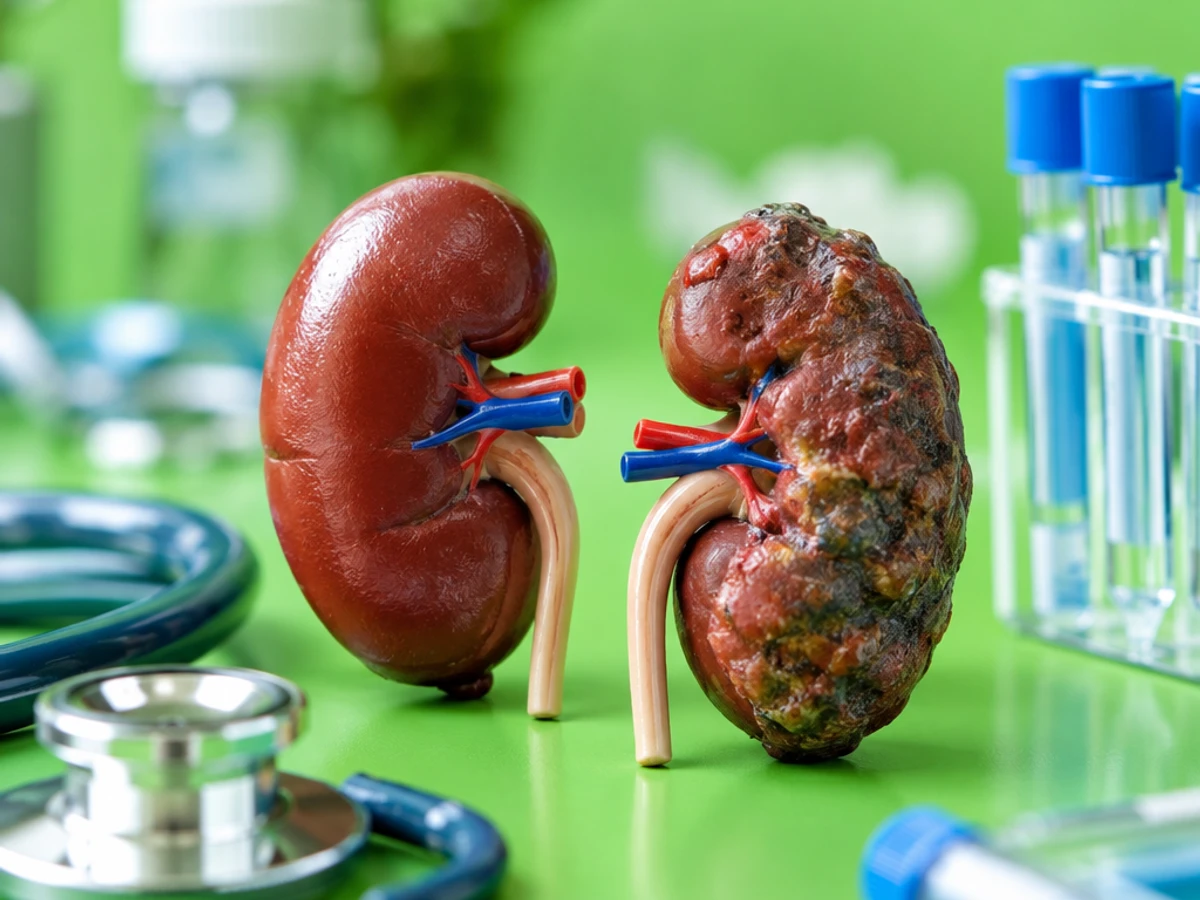
Your kidneys rarely complain until the damage is advanced. A yearly blood and urine test speaks for them.
At Anantam Ayurveda, we often see patients with diabetes or high blood pressure who have never had their kidneys checked. Below, we explain what to look out for and how to protect your kidneys.
What Are the Symptoms of Kidney Damage? The Short Answer
Kidney disease often has no symptoms until it is advanced, so simple blood and urine tests matter. When symptoms do appear, they are often vague and easy to blame on something else. The NHS lists tiredness, swollen ankles, feet or hands, shortness of breath, feeling sick and blood in the urine among the symptoms of more advanced chronic kidney disease.
| Stage | Typical symptoms | How it’s detected |
|---|---|---|
| Early | Usually none | Urine albumin test, eGFR blood test |
| Moderate | Mild tiredness, foamy urine, slight swelling, night-time urination | Blood and urine tests, blood pressure |
| Advanced | Swelling, breathlessness, itching, poor appetite, nausea, muscle cramps, very little urine | Blood tests, ultrasound, specialist review |
- Silent start: Most people feel completely well in the early stages.
- Testing is key: Blood creatinine (used to calculate eGFR) and urine albumin pick up damage early.
- Early action helps: Treating the cause early can slow kidney damage.
Why Kidney Disease Is Often Silent
Your kidneys have a large reserve. They can lose a substantial part of their function before you notice any problem, because the remaining healthy tissue works harder to compensate. According to the National Kidney Foundation, about 9 in 10 people with chronic kidney disease don’t know they have it.
- Large reserve: Healthy parts of the kidney take over when some parts are damaged.
- Gradual change: Damage usually develops slowly over years, so the body adapts.
- Vague signs: Tiredness or mild swelling are easily put down to age, work or heat.
- No pain: Chronic kidney disease usually doesn’t cause back or kidney pain.
Kidney pain vs kidney disease
Many people expect kidney problems to hurt. Sharp pain in the side or back is more often due to kidney stones or infection. Chronic kidney damage from diabetes or blood pressure is usually painless, which is exactly why testing matters.
Later Symptoms of Kidney Damage (Kidney Kharab Hone Ke Lakshan)
As kidney function falls further, waste products and fluid build up in the body. That’s when symptoms become more noticeable. These kidney kharab hone ke lakshan can have other causes too, so a doctor’s assessment is needed.
| Symptom | Why it happens | Hindi term |
|---|---|---|
| Swelling of feet, ankles, hands or face | Fluid and salt build-up | Pairon ya chehre par soojan |
| Foamy or frothy urine | Protein leaking into urine | Peshab mein jhaag |
| Changes in urination | More at night, less overall, or blood in urine | Peshab mein badlav |
| Tiredness and weakness | Waste build-up and anaemia | Thakaan, kamzori |
| Itching | Waste and mineral imbalance | Khujli |
| Poor appetite, nausea | Waste build-up | Bhookh na lagna, ji machlana |
| Breathlessness | Fluid in the lungs or anaemia | Saans phoolna |
| Muscle cramps | Mineral imbalance | Maanspeshiyon mein ainthan |
Key Takeaway: If you notice persistent swelling, foamy urine or changes in urination, get your kidneys tested.
Diabetes and High Blood Pressure: The Main Causes
Diabetes and high blood pressure are the two most common causes of chronic kidney disease. High blood sugar and high pressure both damage the tiny blood vessels in the kidneys over time. Controlling both is the most effective way to protect your kidneys.
- Diabetes: High sugar over years damages the kidney’s filters; early warning signs include albumin in the urine, often with no symptoms.
- High blood pressure: If your BP is often above 130/80 or your sugar is borderline, discuss it with your doctor, since both affect the kidneys over time. The ACC/AHA 2017 hypertension guideline defines 130-139/80-89 as stage 1 hypertension, while Indian practice commonly uses 140/90 for diagnosis.
- Two-way link: Kidney disease can also raise blood pressure, creating a cycle.
- Other causes: Repeated kidney stones or infections, inherited conditions, and some medicines.
Warning signs for people with diabetes or high BP
- Rising blood pressure: Despite medicines, or needing more medicines.
- Foamy urine: Can signal protein leakage.
- Swelling around the eyes in the morning: Can be an early sign of protein loss.
- Frequent low sugars: In people with diabetes, reduced kidney function can change how medicines are cleared.
High uric acid is another condition linked with kidney health; read our article on whether high uric acid can cause severe joint pain.
Everyday Habits That Raise Kidney Risk
Some common habits can quietly put strain on your kidneys. Most are easy to change once you know about them. Don’t stop prescribed medicines on your own; discuss any concerns with your doctor.
| Habit | What the evidence says | Safer approach |
|---|---|---|
| Frequent painkillers (NSAIDs such as ibuprofen, diclofenac) | The NKF says high-dose or long-term use can harm kidneys | Use only as advised, for the shortest time |
| Long-term acidity pills (PPIs) without review | A 2016 study linked PPI use to a 20-50% higher CKD risk, as Johns Hopkins summarised (observational) | Ask your doctor to review long-term use; don’t stop on your own |
| Daily sugary colas | A 2013 study in CJASN linked one or more sugary colas a day to a 23% higher kidney stone risk | Water, chaas, lemon water without sugar |
| High salt | The WHO says high sodium raises BP and is linked to kidney disease | Keep salt under 5 g a day, counting pickles, papad and namkeen |
| Routine protein powders | The ICMR-NIN Dietary Guidelines (2024) advise against routine protein supplements | Get protein from food; drink enough water when exercising |
Other habits that help
- Drink enough water: Especially in hot weather and during exercise; people with kidney disease should follow their doctor’s fluid advice.
- Don’t smoke: Smoking damages blood vessels, including in the kidneys.
- Stay active: Regular activity helps control weight, sugar and blood pressure.
- Avoid unlabelled remedies: Some unregulated products, including powders sold without clear ingredient lists, can harm the kidneys.
- Treat infections promptly: Urinary infections with fever or back pain need timely treatment to protect the kidneys.
Kidney-friendly eating in an Indian kitchen
- Cut hidden salt: Achaar, papad, namkeen, instant noodles and restaurant food carry most of the extra salt.
- Season differently: Use lemon, jeera, ajwain, herbs and spices instead of extra salt.
- Balanced protein: Dal, curd, paneer, eggs or fish in normal portions; no need for protein powders.
- If you already have kidney disease: Potassium, phosphorus and protein limits may apply, so follow your nephrologist or renal dietitian.
One Kidney vs Both Kidneys, and Symptoms in Children
If only one kidney is affected, for example by a blockage or infection, the other kidney usually compensates, so there may be few or no symptoms of reduced function. When both kidneys are affected, as in chronic kidney disease from diabetes or blood pressure, the symptoms described above appear as overall function falls.
- One kidney: People can live normally with one healthy kidney, but they should have regular check-ups.
- Dono kidney kharab hone ke lakshan: Soojan, thakaan, khujli, bhookh kam lagna, saans phoolna aur peshab kam aana.
- Born with one kidney or donated one: Regular BP, urine and blood tests are advised.
Symptoms in children
Kidney problems in children can show up differently. Watch for puffiness around the eyes, swelling of the face or legs, bedwetting after they were dry at night, poor growth or appetite, red or brown urine, or frequent urinary infections with fever. These need a paediatrician’s assessment.
Tests to Ask For, and How Often
Two simple tests can detect kidney damage long before symptoms: a blood test for creatinine, used to calculate eGFR, and a urine test for albumin. People with diabetes or high blood pressure should have both at least once a year, or as often as their doctor advises.
| Test | What it measures | What an abnormal result suggests |
|---|---|---|
| Serum creatinine and eGFR | How well the kidneys filter | Reduced kidney function |
| Urine albumin-to-creatinine ratio (UACR) | Protein leaking into urine | Early kidney damage |
| Urine routine | Blood, protein, infection | Various kidney or urinary problems |
| Blood pressure | Pressure in blood vessels | A cause or result of kidney disease |
| Kidney ultrasound | Size and structure | Stones, blockage or scarring |
- Diabetes: eGFR and urine albumin at least yearly.
- High blood pressure: eGFR and urine albumin at least yearly.
- Family history or over 60: Ask your doctor whether you should be tested regularly.
- Creatine supplements: These can raise blood creatinine readings, so tell your doctor if you take them before a kidney test.
Understanding your eGFR result
eGFR is an estimate of how much blood your kidneys filter each minute, calculated from your creatinine, age and sex. A result of 90 or above is generally normal, and a result below 60 for three months or more suggests chronic kidney disease. A single slightly low result isn’t a diagnosis; your doctor will usually repeat the test and look at it alongside your urine albumin.
To help you better understand these essential tests and their importance, take a moment to watch the video below.
The Ayurvedic Perspective on Kidney Health
In Ayurveda, the kidneys (vrikka) are associated with the channels that carry water and urine (mutravaha srotas). Herbs such as punarnava, gokshura and varuna are traditionally used for urinary and kidney health, but only under the supervision of a qualified Ayurvedic doctor, and never as a replacement for medical care.
- Punarnava: Traditionally used for fluid balance. Read whether punarnava can reduce creatinine.
- Gokshura: Traditionally used for the urinary system. See how gokshura affects the kidney.
- Varuna: Traditionally used for urinary health. Learn about varuna benefits.
- Diet and routine: Ayurveda emphasises moderate salt, fresh food and regular routines.
Why supervision is essential
Damaged kidneys clear herbs and medicines more slowly, and some products contain heavy metals or interact with medicines. There’s no safe kidney “detox” product. We review each patient’s reports and work alongside their nephrologist.
With kidneys, the safest herb is the one your doctor knows you’re taking.
Watch Dr. Arun Jharwal explain it on video
Get simple Ayurvedic tips, home remedies and health guidance on our YouTube channel.
When to See a Doctor, and Why Not to Self-Treat
Some kidney symptoms need prompt medical attention, and kidney disease should always be managed with a doctor. Do not stop prescribed medicines on your own, even if you’re worried about side effects.
- Swelling: Persistent swelling of the legs, feet, hands or face.
- Blood in urine: Red, pink or cola-coloured urine.
- Very little urine: A sudden fall in urine output needs urgent care.
- Long-standing diabetes or BP: If you’ve had either for years and haven’t been tested recently.
- Breathlessness, confusion or severe nausea: Seek emergency care.
- Don’t stop medicines: Medicines for blood pressure and diabetes often protect your kidneys.
Common Questions About Kidney Damage
Here are quick answers to the questions we’re asked most, including about supplements and painkillers.
- Kidney kharab hone ke shuruati lakshan: Aksar koi lakshan nahi hote. Baad mein soojan, peshab mein jhaag, thakaan aur raat ko baar-baar peshab ho sakta hai.
- Dono kidney kharab hone ke lakshan: Soojan, khujli, bhookh kam, saans phoolna aur peshab kam aana.
- Creatine supplements: Studies in healthy people haven’t clearly shown harm at usual doses, but people with kidney disease or risk factors should avoid them unless their doctor agrees.
- Ibuprofen: Occasional use as directed is usually fine for healthy people, but frequent or long-term use can harm the kidneys.
Conclusion
Early kidney damage usually has no symptoms, while later signs include swelling, foamy urine, changes in urination, tiredness, itching and poor appetite. Diabetes and high blood pressure are the main causes, so yearly eGFR and urine albumin tests, less salt, careful painkiller use and good sugar and BP control are the best protection.
Key Takeaways
- Silent disease: About 9 in 10 people with CKD don’t know it.
- Later signs: Swelling, foamy urine, tiredness, itching, poor appetite.
- Main causes: Diabetes and high blood pressure.
- Risky habits: Frequent painkillers, unreviewed acidity pills, daily colas, high salt, routine protein powders.
- Tests: eGFR and urine albumin at least yearly if you’re at risk.
Concerned about your kidney health? Book an Ayurveda consultation with Dr. Arun Jharwal at Anantam Ayurveda.
Frequently Asked Questions
What are the symptoms of kidney damage, the early signs and tests, and which habits put kidneys at risk?
Early kidney damage usually has no symptoms; later signs include swelling, foamy urine, changes in urination, tiredness, itching and poor appetite. eGFR and urine albumin tests detect it early. Risky habits include frequent painkillers, long-term acidity pills without review, daily sugary colas, high salt and routine protein powders.
Kidney kharab hone ke shuruati lakshan kya hain?
Shuruat mein aksar koi lakshan nahi hote. Isliye diabetes ya BP ho to har saal eGFR aur urine albumin test karwayein.
Dono kidney kharab hone ke lakshan kya hain?
Pairon aur chehre par soojan, thakaan, khujli, bhookh na lagna, saans phoolna aur peshab kam aana.
Can creatine supplements damage kidneys?
In healthy people at usual doses, studies haven’t clearly shown kidney damage, but creatine can raise creatinine test results. If you have kidney disease, diabetes or high BP, ask your doctor first.
Is ibuprofen bad for the kidneys?
Frequent or long-term use can harm the kidneys. Use it only as advised, and ask your doctor if you have kidney disease, diabetes or high BP.
Does kidney damage cause back pain?
Chronic kidney disease usually doesn’t. Side or back pain is more often due to stones or infection.
Can kidney damage be reversed?
Some sudden kidney injuries recover, but chronic damage usually can’t be undone. Early treatment can slow it down.
Methodology and disclaimer: This article draws on the National Kidney Foundation, NHS guidance on chronic kidney disease symptoms, a 2013 CJASN study on sugary drinks and kidney stones, a 2016 study on PPIs and CKD, the WHO salt reduction fact sheet, the ACC/AHA 2017 hypertension guideline and the ICMR-NIN Dietary Guidelines for Indians (2024). Ayurvedic herbs are described as traditionally used. This article is educational and not a substitute for medical advice; do not stop prescribed medicines without your doctor.