
Bhramari Pranayama (Bee Breath) for Sleep: How to Do It and What Research Says
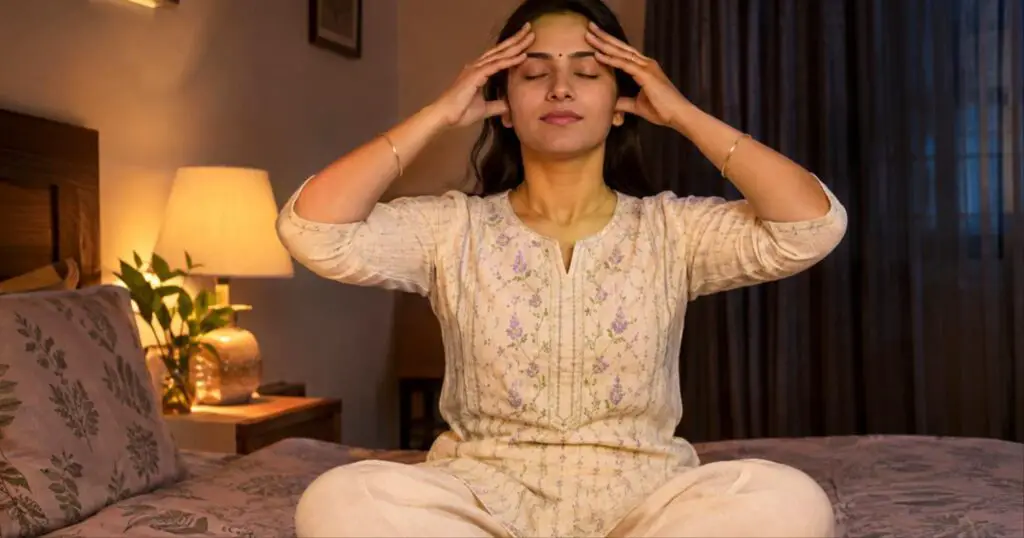
Bhramari pranayama, or bee breath, is a simple yoga breathing practice: you breathe in through the nose and breathe out slowly while making a soft humming “mmmm” sound, like a bee. Long, slow exhales help shift the body away from “fight mode” (the sympathetic nervous system) towards “rest mode” (the parasympathetic system), slowing the heart rate and calming the mind. Done for a few minutes before bed, it can make it easier to wind down and fall asleep.
The evidence is encouraging but small. Studies show bhramari lowers heart rate and blood pressure right after practice, and one small study in people with insomnia found better sleep quality and lower cortisol after two months of daily practice. It is free and safe for most people, but it is not a cure for long-term insomnia. If you have struggled to sleep for weeks, see a doctor: cognitive behavioural therapy for insomnia (CBT-I) has the strongest evidence.
Medically reviewed by: Dr. Arun Jharwal, BAMS, MD (Ayurveda)
Bhramari for Sleep at a Glance
| Point | Detail |
|---|---|
| What it is | A yoga breathing practice with a long, humming exhale |
| Also called | Bee breath, bhramari pranayama |
| How it may help sleep | Slow exhalation calms the nervous system and slows the heart |
| Bonus effect | Humming raises nitric oxide levels in the nose and sinuses |
| How long | 5–7 rounds take about 2–3 minutes; studies used 5–30 minutes |
| When | Right before lights out, sitting up in bed |
| Evidence | Small studies; good for relaxation, limited direct sleep research |
| Avoid or modify | Ear infection or ear pain, very low blood pressure, during pregnancy without guidance |
| For chronic insomnia | See a doctor; CBT-I is the first-line treatment |
Why Can’t You Switch Off at Night?
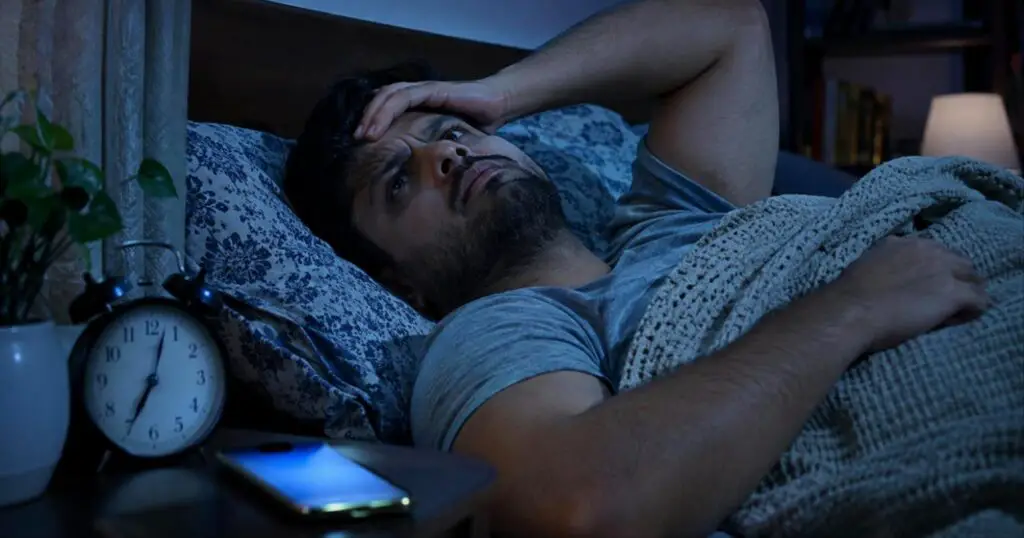
To fall asleep, your body needs to move from alertness into a calmer state. Your autonomic nervous system has two main modes:
- Sympathetic (“fight or flight”): raises heart rate, sharpens alertness, releases stress hormones like cortisol and adrenaline.
- Parasympathetic (“rest and digest”): slows the heart, relaxes muscles and prepares the body for sleep.
Stress, worry, late-night screens, caffeine after noon, heavy dinners and irregular sleep times can keep the “fight mode” running. You lie in bed tired but wired, with a racing mind. Calming practices like slow breathing help by giving the body a direct signal to slow down.
How Does Humming Breath Calm You Down?
1. The long exhale slows the heart
When you breathe in, the heart rate rises slightly; when you breathe out, it falls. This natural rhythm is called respiratory sinus arrhythmia and is controlled largely by the vagus nerve, the main nerve of the parasympathetic system. Making the exhale long and slow, as bhramari does, tips the balance towards the vagus nerve and rest mode. Reviews of slow-breathing research (around 6 breaths a minute or slower) link it with higher heart rate variability, a marker of parasympathetic activity, and with feeling calmer.
2. The humming sound
Humming makes you exhale slowly and steadily, and it gives the mind a single sound to focus on, which helps quieten racing thoughts. Some writers say the vibration in the throat directly “activates” the vagus nerve, because branches of the vagus supply the voice box. This is a plausible idea, but there is little direct research showing that humming itself stimulates the vagus nerve more than slow breathing alone. The script’s line that humming activates the vagus nerve in the throat is best described as a theory.
3. Nitric oxide in the nose
In a well-known study, humming increased nitric oxide measured in the nose about 15-fold compared with quiet exhalation, because the vibration moves air in and out of the sinuses, where nitric oxide is made (Weitzberg and Lundberg, 2002). Nitric oxide helps protect the airways and widens blood vessels. However, there is no good evidence that this nasal nitric oxide “makes breathing deeper” or directly improves sleep. That part of the Hindi script goes beyond the research.
What Does the Research Say?
Bhramari lowers heart rate and blood pressure
In a randomised study of 60 healthy adolescents, a session of slow bhramari (about 5 seconds in, 15 seconds of humming out, at 3–4 breaths a minute) lowered heart rate from about 77 to 73 beats a minute and reduced systolic blood pressure by about 4.5 mmHg, while the control group showed no such fall (Kuppusamy et al., 2016). This supports the idea that bhramari shifts the body towards rest mode, at least in the short term.
Bhramari and insomnia
In a small Ayurvedic clinical study, 46 people with insomnia (anidra) completed two months of either bhramari pranayama (about 20–30 minutes daily) or sleep hygiene advice. The bhramari group showed significant improvement in sleep quality on the Pittsburgh Sleep Quality Index and a fall in serum cortisol, the stress hormone (Garg and Panda, 2024). The study was small and the practice was much longer than 2 minutes, so it does not prove that a 2-minute routine fixes insomnia.
Slow breathing in general
A systematic review of slow-breathing techniques found they are linked with increased heart rate variability, more relaxed brain activity, and lower anxiety and arousal (Zaccaro et al., 2018). This is the main scientific basis for using bhramari before bed.
Humming and nitric oxide
Humming increased nasal nitric oxide about 15-fold compared with quiet exhalation in healthy volunteers (Weitzberg and Lundberg, 2002). This is a real effect, but its link to sleep has not been studied.
Evidence Summary
| Claim | What research shows | Strength |
|---|---|---|
| Bhramari calms the body | Lowers heart rate and blood pressure after a session | Small randomised study |
| Bhramari improves sleep | Better sleep quality and lower cortisol after 2 months of daily practice | One small study |
| Slow breathing activates rest mode | Higher heart rate variability, lower arousal | Systematic review |
| Humming raises nasal nitric oxide | About 15-fold increase | Lab study |
| Humming directly activates the vagus nerve | Plausible, little direct evidence | Theory |
| Nitric oxide makes breathing deeper or improves sleep | Not shown | Not supported |
| 2 minutes is enough to fix insomnia | Not studied | Not supported |
Bottom line: bhramari is a safe, free relaxation tool with good short-term calming effects and early evidence for better sleep. It works best as part of a wind-down routine, not as a replacement for treatment when insomnia is persistent.
The Yogic and Ayurvedic View
Bhramari is described in classical hatha yoga texts such as the Hatha Yoga Pradipika, where the practitioner breathes in quickly and exhales slowly with a humming sound like a bee, said to bring bliss to the mind.
In Ayurveda, difficulty sleeping (anidra or nidranasha) is linked mainly with aggravated Vata, which makes the mind restless and active, and sometimes with Pitta, which brings heat, irritability and racing thoughts. Bhramari is considered calming for both: the soft, steady sound settles Vata, and the slow exhale cools Pitta. It is often combined with other evening practices such as:
- Abhyanga of the feet (padabhyanga) with warm sesame or coconut oil.
- A light, early dinner.
- Warm milk with a pinch of nutmeg (jaiphal) or ashwagandha, where suitable.
- A fixed bedtime, ideally before 10:30 p.m., during the calm Kapha part of the night.
How to Do Bhramari Pranayama for Sleep (Step by Step)
Time needed: 2–5 minutes
- Sit comfortably on your bed, cross-legged or with legs out, spine upright but relaxed. You can lean against a pillow.
- Close your eyes and relax your shoulders, jaw and face.
- Close your ears gently. Press the small flap of cartilage in front of each ear (the tragus) with your thumbs, or simply place your index fingers on it. Do not push anything into the ear canal. Optionally, rest your other fingers lightly over your closed eyes (shanmukhi mudra).
- Breathe in slowly through the nose for about 4–5 seconds.
- Breathe out slowly through the nose with your mouth closed, making a soft, steady “mmmm” humming sound. Let the exhale last as long as comfortable, ideally 10–15 seconds.
- Feel the vibration in your head, face and throat. Keep the sound gentle, not loud.
- Repeat 5–7 rounds. Then sit quietly for 30 seconds, breathing normally.
- Lie down and turn off the lights. Keep breathing slowly with a long exhale if your mind wanders.
Tips for Beginners
- Keep the hum low-pitched and soft so it doesn’t strain your throat.
- Never force the breath. If you feel dizzy or breathless, stop and breathe normally.
- Practise on an empty or light stomach, at least 1–2 hours after dinner.
- If closing your ears is uncomfortable, simply hum with your eyes closed.
- Consistency matters more than length: try it every night for 2–3 weeks.
A Simple Bedtime Routine Around Bhramari

Breathing works best when the rest of your evening supports sleep:
| Time before bed | What to do |
|---|---|
| 3 hours | Finish dinner; keep it light |
| 6–8 hours | Stop tea, coffee and other caffeine |
| 1 hour | Dim the lights; put the phone away or on night mode |
| 30 minutes | Warm shower or foot massage with oil; read something light |
| 5 minutes | Bhramari, 5–7 rounds, sitting up in bed |
| Lights out | Lie down and keep breathing slowly with a long exhale |
Also try to:
- Wake up and go to bed at the same time every day, even on weekends.
- Get morning sunlight for 10–15 minutes to set your body clock.
- Keep the bedroom cool, dark and quiet.
- Use the bed only for sleep, not for work or scrolling.
- If you can’t sleep after about 20 minutes, get up, sit in dim light and return to bed when sleepy.
Who Should Avoid or Modify Bhramari?
Bhramari is very safe for most people, but take care if you have:
- Ear infection, ear pain or recent ear surgery: skip closing the ears, or skip the practice until healed.
- Very low blood pressure or a tendency to faint: practise sitting, gently, and stop if you feel light-headed.
- Pregnancy: gentle humming is generally considered fine, but avoid long breath-holds and check with your doctor or a qualified yoga teacher.
- Severe breathing problems (uncontrolled asthma, COPD): keep the exhale comfortable and stop if breathless.
- Severe anxiety, panic or trauma history: if focusing on the breath increases anxiety, keep your eyes open or try a different relaxation method.
- Children: fine as a playful humming exercise, without closing ears forcefully.
When to See a Doctor: Why CBT-I Matters
If you have trouble falling or staying asleep at least three nights a week for three months or more, that is chronic insomnia. Breathing techniques alone are rarely enough.
The American College of Physicians recommends cognitive behavioural therapy for insomnia (CBT-I) as the first treatment for chronic insomnia in adults (Qaseem et al., 2016). CBT-I teaches you to change the habits and thoughts that keep insomnia going, using methods such as sleep restriction, stimulus control and relaxation training. It is now available through trained therapists and digital programmes.
See a doctor promptly if you have:
- Loud snoring, gasping or pauses in breathing at night (possible sleep apnoea).
- Strong urges to move your legs at night (restless legs).
- Low mood, loss of interest or thoughts of self-harm.
- Daytime sleepiness that affects driving or work.
- Insomnia that started with a new medicine.
On melatonin and sleeping pills: the script is right that bhramari is free and safe, but melatonin and prescribed sleep medicines do have roles. Melatonin can help with jet lag and some body-clock problems, and doctors may prescribe sleep medicines short term. Do not stop a prescribed medicine on your own; talk to your doctor.
Myths vs Facts
| Myth | Fact |
|---|---|
| Bhramari is the best cure for insomnia | It is a helpful relaxation tool. For chronic insomnia, CBT-I has the strongest evidence |
| Humming activates the vagus nerve, proven | Slow exhalation boosts parasympathetic activity; a direct humming–vagus effect is still a theory |
| Nitric oxide from humming makes your breathing deeper | Humming raises nasal nitric oxide, but no study shows deeper breathing or better sleep from it |
| You must press your thumbs inside the ears | Press the small flap in front of the ear; never push into the ear canal |
| Louder humming works better | A soft, steady, low hum is more relaxing and easier on the throat |
| One night is enough to see results | Practise nightly for at least 2–3 weeks with good sleep habits |
| Melatonin and sleeping pills never help | They have specific uses; discuss them with a doctor |
Frequently Asked Questions
What is bhramari pranayama?
It is a yoga breathing practice in which you breathe in through the nose and breathe out slowly while making a soft humming sound like a bee.
Does bhramari help with sleep?
It can help you relax before bed by slowing the heart and calming the mind. One small study in people with insomnia found better sleep quality after two months of daily practice.
How many rounds of bhramari should I do before sleep?
Start with 5–7 rounds, about 2–3 minutes. You can slowly build up to 5–10 minutes if it feels good.
What is the best time to do bhramari?
For sleep, do it just before lights out. It can also be done in the morning or any time you feel stressed.
Can I do bhramari lying down?
Sitting is traditional and easier for long exhales, but you can do a gentle version lying down if sitting is uncomfortable.
Do I have to close my ears?
No. Closing the ears makes the vibration feel stronger and helps focus, but humming with your eyes closed also works.
How does humming calm the body?
Humming forces a long, slow exhale, which shifts the nervous system towards rest mode and slows the heart rate. The steady sound also helps quieten racing thoughts.
Does humming really increase nitric oxide?
Yes. Studies show humming raises nitric oxide in the nose about 15-fold compared with quiet breathing. Its effect on sleep has not been studied.
Does bhramari activate the vagus nerve?
Slow breathing with a long exhale increases parasympathetic (vagal) activity. Whether humming itself adds extra vagus stimulation is still being researched.
How soon will I see results?
Many people feel calmer after one session. For sleep, practise nightly for 2–3 weeks along with good sleep habits.
Is bhramari better than melatonin?
They work differently. Bhramari is a free relaxation tool; melatonin helps mainly with body-clock problems like jet lag. Talk to a doctor before starting or stopping any sleep aid.
Can bhramari replace sleeping pills?
Not on its own, and you should not stop prescribed medicines without your doctor. It can be a helpful part of a wider sleep plan.
Is bhramari safe for everyone?
It is safe for most people. Avoid closing the ears during ear infections, and practise gently if you have low blood pressure, breathing problems or are pregnant.
Can children do bhramari?
Yes, as a fun, gentle humming exercise. Don’t press their ears forcefully.
Can bhramari help with anxiety?
Slow breathing is widely used to reduce anxiety and stress, and bhramari is a simple way to practise it.
Does bhramari lower blood pressure?
Studies show a small drop in heart rate and blood pressure after a session. It is not a substitute for blood pressure medicine.
What should I do if I feel dizzy?
Stop, breathe normally and keep your exhales shorter next time. Dizziness usually means you are forcing the breath.
What is CBT-I?
Cognitive behavioural therapy for insomnia is a structured programme that changes sleep habits and thoughts. It is the recommended first treatment for chronic insomnia.
When should I see a doctor about sleep?
If poor sleep lasts more than a few weeks, affects your daytime life, or comes with loud snoring, breathing pauses, leg restlessness or low mood.
What does Ayurveda say about insomnia?
Ayurveda links insomnia mainly to aggravated Vata and sometimes Pitta, and recommends calming routines such as bhramari, foot massage with oil, a light early dinner and a regular bedtime.
Scientific Research
- Weitzberg E, Lundberg JON. Humming greatly increases nasal nitric oxide. American Journal of Respiratory and Critical Care Medicine. 2002;166(2):144–145. PubMed
- Kuppusamy M, Kamaldeen D, Pitani R, Amaldas J. Immediate effects of bhramari pranayama on resting cardiovascular parameters in healthy adolescents. Journal of Clinical and Diagnostic Research. 2016;10(5):CC17–CC19. Read the study
- Garg N, Panda SK. Clinical efficacy of bhramari pranayama on serum cortisol in anidra (insomnia). Journal of Ayurveda. 2024;18(4):261–266. DOAJ
- Zaccaro A, Piarulli A, Laurino M, et al. How breath-control can change your life: a systematic review on psycho-physiological correlates of slow breathing. Frontiers in Human Neuroscience. 2018;12:353.
- Qaseem A, Kansagara D, Forciea MA, et al. Management of chronic insomnia disorder in adults: a clinical practice guideline from the American College of Physicians. Annals of Internal Medicine. 2016;165(2):125–133. PubMed
Conclusion
When your body is stuck in “fight mode” at night, a long, slow, humming exhale is one of the simplest ways to send it a signal to rest. Bhramari pranayama is free, takes only a few minutes and is safe for most people. Research shows it calms the heart and blood pressure, and early studies suggest it may improve sleep quality with regular practice.
Use it as part of a calming bedtime routine, alongside a regular sleep schedule, less screen time and a light dinner. If sleep problems last for weeks, don’t rely on breathing alone: see a doctor and ask about CBT-I.
Medical Disclaimer
This article is for educational purposes only and is not a substitute for professional medical advice, diagnosis or treatment. If you have long-term sleep problems, ear disease, breathing or heart conditions, are pregnant, or take sleep or mental health medicines, consult a qualified doctor or Ayurvedic physician. Do not stop or change any prescribed medicine on your own.
Medically reviewed by: Dr. Arun Jharwal, BAMS, MD (Ayurveda)