
Soaked Figs (Anjeer) for Constipation: How Many, When, and What Research Says
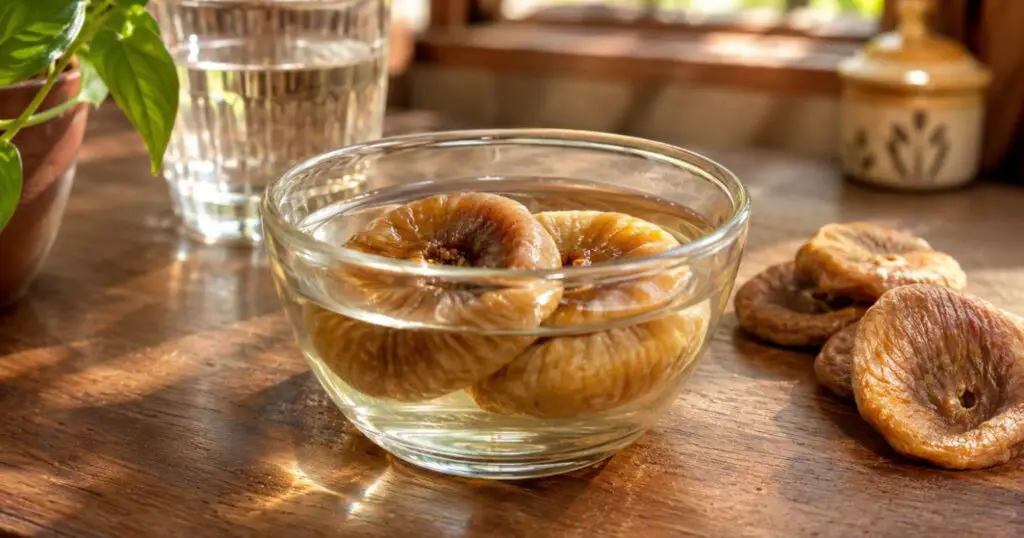
Soaked dried figs (anjeer) are a gentle, tasty way to add fibre and fluid to your morning. Soak 2 dried figs in a cup of water overnight, eat them first thing in the morning, and drink the soaking water too. Figs contain both soluble and insoluble fibre, which soften stool and help it move.
The research is promising but used much larger amounts than 2 figs. A Korean trial gave 300 g of fig paste a day, and an Iranian trial gave 90 g of dried figs a day, roughly 9–11 figs. Two figs give you only about 1.5–2 g of fibre, so think of them as one helpful part of a high-fibre, well-hydrated diet, not a complete cure. Figs are also high in natural sugar, so people with diabetes should start with one and check their sugar. Constipation that is new, severe, or comes with blood, weight loss or pain needs a doctor.
Medically reviewed by: Dr. Arun Jharwal, BAMS, MD (Ayurveda)
Soaked Figs for Constipation at a Glance
| Point | Detail |
|---|---|
| What to eat | 2 dried figs (anjeer), soaked overnight in about 1 cup of water |
| When | Morning, on an empty stomach; drink the soaking water too |
| Why it may help | Soluble and insoluble fibre, plus extra water |
| Fibre in 2 figs | About 1.5–2 g (adults need roughly 25–30 g a day) |
| Sugar in 2 figs | About 8–10 g natural sugar |
| Research | Two randomised trials found benefits with large daily amounts (300 g paste or 90 g dried figs) |
| How long | Give it 1–2 weeks along with more water and fibre overall |
| Be careful if | Diabetes, IBS with bloating (figs are high-FODMAP), on blood thinners, kidney disease needing potassium limits |
| See a doctor if | Constipation is new after 50, lasts over 3 weeks, or comes with blood, weight loss, severe pain or vomiting |
Why Does Constipation Happen?
Constipation means passing stool less often than usual (generally fewer than three times a week), or passing hard, dry stool that needs straining. Common everyday causes include:
- Too little fibre. Fibre adds bulk and holds water in stool. Many Indian diets heavy in refined flour, rice and packaged snacks fall short.
- Too little water. When the body is short of fluid, the colon pulls more water out of stool, making it hard.
- A slow gut. Sitting for long hours, little exercise, travel, irregular meal times and ignoring the urge to go all slow things down.
- Medicines and supplements. Iron tablets, calcium, some painkillers, antacids with aluminium, and some antidepressants can cause constipation.
- Health conditions. Hypothyroidism, diabetes, IBS, pregnancy and some nerve conditions are linked with constipation.
The script’s basic idea is right: constipation is usually a mix of low fibre, low fluid and a slow-moving gut. Fixing only one of these often is not enough.
How Do Figs Help With Constipation?
Dried figs are one of the more fibre-rich dried fruits. Per 100 g, USDA data lists about 9.8 g of fibre, along with 680 mg of potassium, 162 mg of calcium and 68 mg of magnesium. They work in a few ways:
- Soluble fibre (including pectin) absorbs water and forms a soft gel, which makes stool softer and easier to pass.
- Insoluble fibre and the tiny seeds add bulk, which helps the gut push stool along.
- Extra water. Soaking plumps the figs, and drinking the soaking water adds a glass of fluid first thing in the morning.
- A morning routine. Eating or drinking something after waking triggers the gastrocolic reflex, the natural urge to go after the gut is stimulated.
A note on sorbitol: the Hindi script says figs work through natural sorbitol, which pulls water into the gut. That claim fits prunes much better. Prunes are well known for their sorbitol content, while figs are mainly fructose and glucose, and sources disagree on how much sorbitol they hold. The fibre and water are the more reliable explanation for figs.
How Much Fibre Do 2 Figs Really Give?
A dried fig weighs roughly 8–10 g, depending on size. Two figs therefore give about:
| Nutrient | About |
|---|---|
| Weight | 16–20 g |
| Calories | 40–50 kcal |
| Fibre | 1.5–2 g |
| Natural sugar | 8–10 g |
| Potassium | 110–135 mg |
Adults need roughly 25–30 g of fibre a day. Two figs are a helpful start, but most of your fibre still has to come from dal, whole grains, vegetables, fruit and seeds.
What Does the Research Say?
Figs have been tested in two randomised trials. Both found benefits, but with far more fig than 2 a day.
Fig paste for functional constipation (Korea, 2016)
In a double-blind trial, 80 adults with functional constipation ate either fig paste (300 g a day, split into three packs before meals) or a placebo paste for 8 weeks. Colon transit time, the time stool takes to move through the large intestine, fell by about 24.5 hours with fig paste compared with 15 hours on placebo. Stool consistency on the Bristol scale and abdominal discomfort also improved more with figs. Weekly bowel movements rose in both groups, and the difference between them was not significant (Baek et al., 2016).
Dried figs for IBS with constipation (Iran, 2019)
In a single-blind randomised trial of about 142 people with IBS-C, eating 90 g of dried figs a day (half before breakfast, half before lunch) for 4 months improved IBS symptom scores, quality of life, how often abdominal pain occurred, and satisfaction with bowel habits, compared with placebo. Pain severity did not change significantly, and no side effects were reported (Pourmasoumi et al., 2019).
Evidence Summary
| Study | Who | Daily amount | Main result |
|---|---|---|---|
| Baek 2016 | 80 adults, functional constipation | 300 g fig paste, 8 weeks | Faster colon transit, softer stool, less discomfort than placebo |
| Pourmasoumi 2019 | About 142 adults, IBS-C | 90 g dried figs, 4 months | Better IBS scores and bowel satisfaction than placebo |
| 2 soaked figs a day | Not studied | About 16–20 g | Reasonable as part of a high-fibre routine; effect likely milder |
Bottom line: figs genuinely helped constipation in studies, but at doses 5 to 15 times larger than 2 figs. Two soaked figs are a sensible, gentle habit, not a proven stand-alone treatment. For stronger evidence among foods, prunes and psyllium (isabgol) have more trials behind them.
The Ayurvedic View of Anjeer
In Ayurveda, constipation (vibandha) is mainly linked with aggravated Vata, whose dry, light and rough qualities make stool hard and slow the gut. Weak agni (digestive fire) adds to it.
Anjeer (Ficus carica) is described as sweet (madhura), heavy (guru) and cooling (sheeta). It is considered Vata-Pitta shamaka, meaning it calms Vata and Pitta, and anulomana, helping things move downward in the natural direction. Soaking makes figs softer and easier to digest, which suits people with dry, Vata-type constipation.
Because figs are heavy and sweet, Ayurveda advises moderation for people with weak digestion, Kapha imbalance, obesity or high blood sugar.
How to Eat Soaked Figs for Constipation

You need: 2 dried figs (anjeer) and about 1 cup (200–250 ml) of clean drinking water.
- Rinse the figs quickly under running water.
- At night, put them in a glass or bowl and cover with about 1 cup of water. Cover the bowl.
- In the morning, eat the soaked figs slowly on an empty stomach, chewing well.
- Drink the soaking water too.
- Follow with another glass of plain or lukewarm water if you like, and wait 20–30 minutes before tea or breakfast.
Tips That Make It Work Better
- Be consistent. Eat them daily for at least 1–2 weeks before judging the result.
- Start small if needed. If figs make you gassy, begin with one and increase slowly.
- Drink enough water through the day. Fibre works only when there is enough fluid. Aim for pale-yellow urine.
- Raise fibre everywhere. Add dal, whole grains, vegetables, fruits like papaya, guava and pear, and seeds.
- Move. A 15–30 minute daily walk helps the gut move.
- Don’t ignore the urge. Go when you feel the need, and try a regular morning toilet time.
- Try a footstool. Raising your feet on the toilet puts the body in a squat-like position, which can make passing stool easier.
Who Should Use Fewer or No Figs
| If you have | What to do |
|---|---|
| Diabetes | Start with 1 fig, count it as part of your fruit or sweet intake, and check your sugar |
| IBS with bloating | Dried figs are high in FODMAPs (fructans and fructose); try 1 and watch for gas |
| Kidney disease with potassium limits | Ask your doctor; figs contain potassium |
| Weight-loss goal | Count the calories; 2 figs are about 40–50 kcal |
Figs vs Isabgol vs Triphala: Which Is Better?
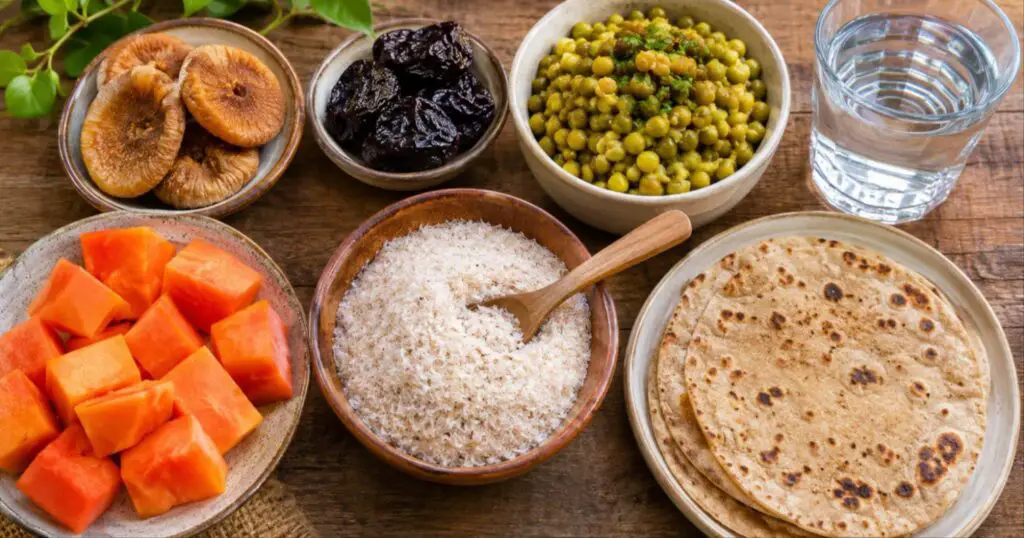
The script says to try figs before isabgol (psyllium) and triphala. They are not competitors, and isabgol actually has the strongest evidence of the three.
| Soaked figs | Isabgol (psyllium husk) | Triphala | |
|---|---|---|---|
| What it is | Whole dried fruit | Soluble, gel-forming fibre supplement | Ayurvedic blend of amla, haritaki and bibhitaki |
| How it works | Fibre plus water | Absorbs water and forms a soft gel that bulks and softens stool | Traditionally a gentle laxative and digestive tonic |
| Evidence | Two trials, using large amounts | Many trials; recommended in constipation guidelines | Small trials; mostly traditional use |
| Main caution | Natural sugar, FODMAPs | Must be taken with plenty of water | Can cause loose stool or cramping; not for pregnancy without advice |
| Best for | A gentle, tasty daily habit | Regular, reliable fibre top-up | Occasional use under guidance |
The script is right that isabgol without enough water can make you feel more blocked, and in rare cases it can swell and cause a blockage in the throat or gut. Always stir it into a full glass of water and drink extra water through the day. Isabgol is not “only fibre” in a bad sense: its soluble gel is exactly what holds water in stool.
A sensible approach is to start with food (figs, more fibre, more water and movement) and add isabgol if needed, rather than rely on any one remedy. Ask a doctor before combining several laxatives regularly.
Side Effects and Who Should Be Careful
In normal food amounts, figs are safe for most people. Keep these points in mind:
- Blood sugar: Dried figs are about half sugar by weight. People with diabetes should start with one and monitor sugar levels.
- Gas and bloating: Figs are high in FODMAPs. People with IBS may get more gas, especially at first.
- Loose stools: Eating many figs at once can cause loose stool or cramps.
- Blood thinners: Figs contain some vitamin K. If you take warfarin, keep your intake steady and tell your doctor.
- Allergy: People allergic to latex, birch pollen or mulberry may rarely react to figs.
- Quality: Buy clean, unsulphured, unsweetened figs from a trusted brand and store them dry. Avoid figs coated with sugar syrup.
- Children: Small amounts of soaked, chopped fig are usually fine for older children. For infants and toddlers, check with a paediatrician first.
When to See a Doctor
Home remedies are for mild, everyday constipation. See a doctor if:
- Constipation lasts more than 3 weeks despite diet and lifestyle changes.
- It is a new change in bowel habit, especially if you are over 50.
- You see blood in your stool or have black stools.
- You have unexplained weight loss, tiredness, or a family history of bowel cancer.
- You have severe abdominal pain, swelling, vomiting, or cannot pass gas.
- You need laxatives most days to go to the toilet.
Also check with your doctor if constipation started after a new medicine, such as iron, calcium or painkillers.
Myths vs Facts
| Myth | Fact |
|---|---|
| Two figs a day will cure chronic constipation | Studies that showed benefit used 90 g of dried figs or 300 g of fig paste a day. Two figs help most as part of a high-fibre, well-hydrated routine |
| Figs work because of sorbitol | That is mainly true of prunes. Figs work mostly through fibre and water |
| Isabgol is bad because it is “only fibre” | Isabgol’s soluble gel holds water in stool and has strong evidence. The real risk is taking it without enough water |
| Soaking water is useless | Drinking it adds fluid, and some soluble nutrients leach into it |
| Dried fruit is always healthy, so eat as much as you like | Dried figs are calorie- and sugar-dense; large amounts can raise blood sugar and cause loose stools |
| Constipation is never serious | New or persistent constipation, especially with blood or weight loss, needs a medical check |
| People with diabetes must avoid figs completely | Many can have one fig in place of another sweet, while monitoring blood sugar |
Frequently Asked Questions
Are soaked figs good for constipation?
Yes, they can help. Figs give soluble and insoluble fibre, and soaking adds water. Two randomised trials found figs improved constipation, though they used much larger daily amounts than 2 figs.
How many figs should I eat for constipation?
Two soaked dried figs a day is a sensible starting point. People with diabetes should start with one.
What is the best time to eat soaked figs?
In the morning on an empty stomach, followed by a glass of water. This also uses the body’s natural morning urge to go.
Should I drink the water figs are soaked in?
Yes. It adds fluid and some of the dissolved nutrients from the figs.
How long do soaked figs take to work?
Some people notice softer stools within a few days. Give it 1–2 weeks along with more water, fibre and movement.
Can I eat figs at night instead?
Yes, though the morning routine is more traditional and pairs well with the natural urge after waking. Avoid heavy amounts late at night if you have acidity.
Are fresh figs better than dried figs?
Fresh figs have more water and less sugar per bite, but they are seasonal. Dried figs are more convenient and concentrated in fibre.
Can people with diabetes eat figs?
Often yes, in small amounts. Start with one fig, count it as part of your carbohydrate intake, and check your blood sugar.
Can I eat figs with isabgol and triphala?
They can be combined, but there is no need to stack many remedies at once. Start with diet and figs, add isabgol with plenty of water if needed, and ask a doctor before using laxatives regularly.
Are figs or prunes better for constipation?
Prunes have more research behind them and contain sorbitol, which draws water into the gut. Figs are a good alternative, especially in India where they are easier to find.
Can children eat soaked figs for constipation?
Older children can usually have small amounts of soaked, chopped fig. For infants and toddlers, ask a paediatrician first.
Are figs safe in pregnancy?
In normal food amounts, figs are generally considered safe and can help with pregnancy constipation. Check with your doctor if you have gestational diabetes.
Do figs cause gas?
They can, especially in people with IBS, because figs are high in FODMAPs. Start with one and increase slowly.
Can figs cause loose motions?
Eating many figs at once can. Stick to 1–2 a day.
Should I soak figs in milk or water?
Water is best for constipation. Fig milk is a traditional tonic, but milk can cause gas in people with lactose intolerance.
Do figs help with piles?
Softer, easier stools reduce straining, which can help piles. Bleeding from the back passage should still be checked by a doctor.
Can I eat figs every day?
Yes, 1–2 dried figs a day are fine for most people as part of a balanced diet.
How should I choose and store dried figs?
Choose plump, soft, unsweetened figs without sugar coating from a trusted brand. Store them in an airtight container in a cool, dry place, or in the fridge in humid weather.
Is constipation ever a sign of something serious?
Sometimes. New constipation after 50, blood in stool, weight loss, severe pain or vomiting need prompt medical attention.
What does Ayurveda say about anjeer?
Ayurveda describes anjeer as sweet, heavy and cooling. It calms Vata and Pitta and helps move stool downward, which is why it is used for dry, Vata-type constipation.
Scientific Research
- Baek HI, Ha KC, Kim HM, et al. Randomized, double-blind, placebo-controlled trial of Ficus carica paste for the management of functional constipation. Asia Pacific Journal of Clinical Nutrition. 2016;25(3):487–496. Read the study
- Pourmasoumi M, et al. Comparison and assessment of flixweed and fig effects on irritable bowel syndrome with predominant constipation: a single-blind randomized clinical trial. Explore. 2019. Trial record
- Review of dietary interventions in IBS-C, summarising the fig trial (90 g/day for 4 months). Nutrients. 2023;15(19):4216. MDPI
- USDA FoodData Central. Figs, dried, uncooked (nutrient values per 100 g). MyFoodData
- NHS. Constipation. nhs.uk
Conclusion
Constipation usually comes from a mix of too little fibre, too little water and a slow gut. Soaked figs address the first two in a simple, tasty way: two figs soaked overnight, eaten in the morning with the soaking water, make a gentle daily habit. Research on figs is genuinely encouraging, but the trials used much larger amounts, so figs work best alongside more fibre from everyday food, enough water, daily movement and, if needed, isabgol taken with plenty of water.
If you have diabetes, start with one fig and monitor your sugar. And if constipation is new, persistent or comes with warning signs like blood or weight loss, see a doctor rather than trying one remedy after another.
Medical Disclaimer
This article is for educational purposes only and is not a substitute for professional medical advice, diagnosis or treatment. Do not stop or change any prescribed medicine on your own. If you are pregnant, managing diabetes, kidney disease or another health condition, taking blood thinners, or if your symptoms persist or worsen, consult a qualified doctor or Ayurvedic physician.
Medically reviewed by: Dr. Arun Jharwal, BAMS, MD (Ayurveda)